
Behind the research
Behind the research
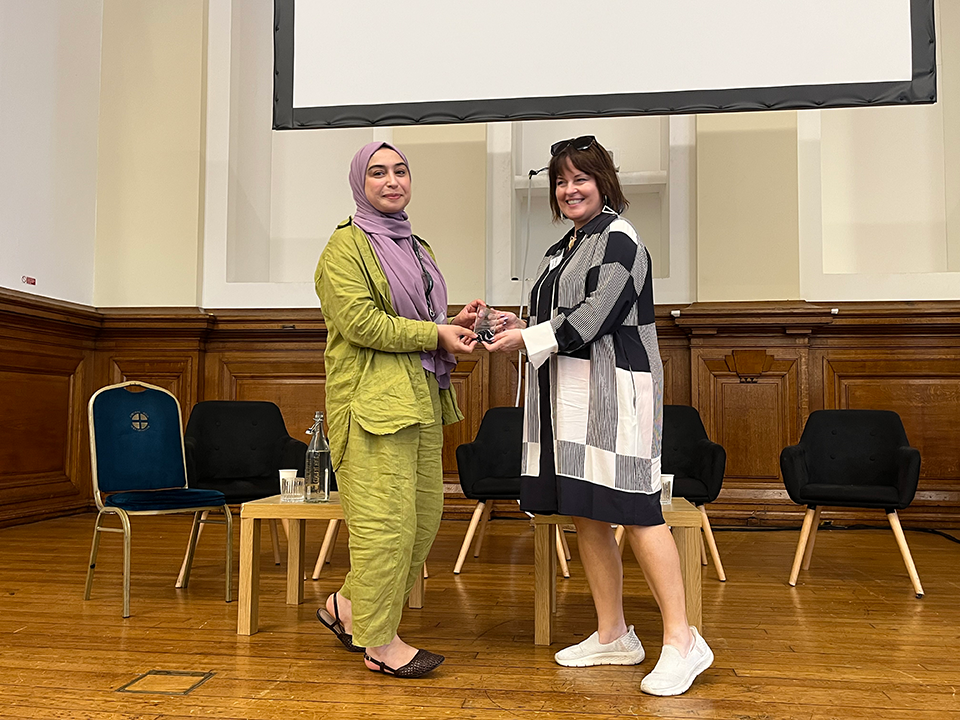
For the latest Women in Connectivity feature, we speak to Imperial College London researcher Yathreb Bouazizi about the journey that took her from reading science magazines as a child to researching the future of wireless networks. Yathreb’s work explores how networks can do more than connect devices, including sensing their surroundings and supporting smarter, more sustainable infrastructure. She shares what she learned from working in industry and carrying out research across London and Singapore, why real-world deployment matters to her, and her advice for women considering a career in engineering. Can you tell us a little about your journey into engineering and connectivity, [...]
29 Sep, 2026
Behind the research
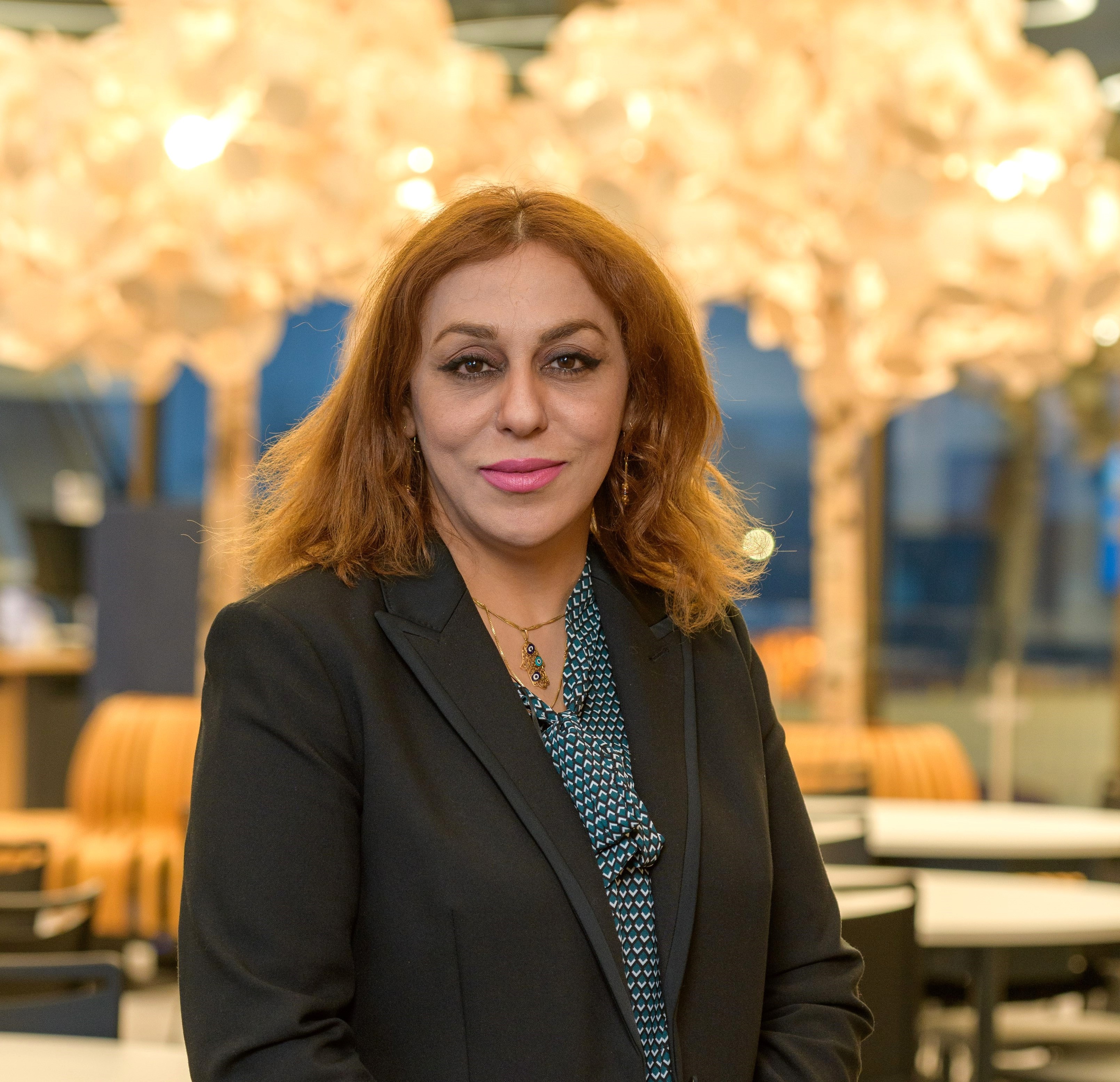
In the latest edition of our Women in Connectivity series, we speak with Professor Saba Al-Rubaye from Cranfield University, whose career spans advanced wireless communications, autonomous systems, future mobility and next-generation networking technologies. With more than two decades of experience across both academia and industry, Professor Al-Rubaye has led pioneering research in areas including 6G communications, digital twins, O-RAN architectures, autonomous systems and aerospace connectivity. Her work has helped bridge the gap between cutting-edge telecommunications research and real-world applications, supporting innovation across sectors such as aviation, transport, energy and future mobility. In this interview, Professor Al-Rubaye reflects on her career journey, discusses [...]
10 Jun, 2026
Behind the research
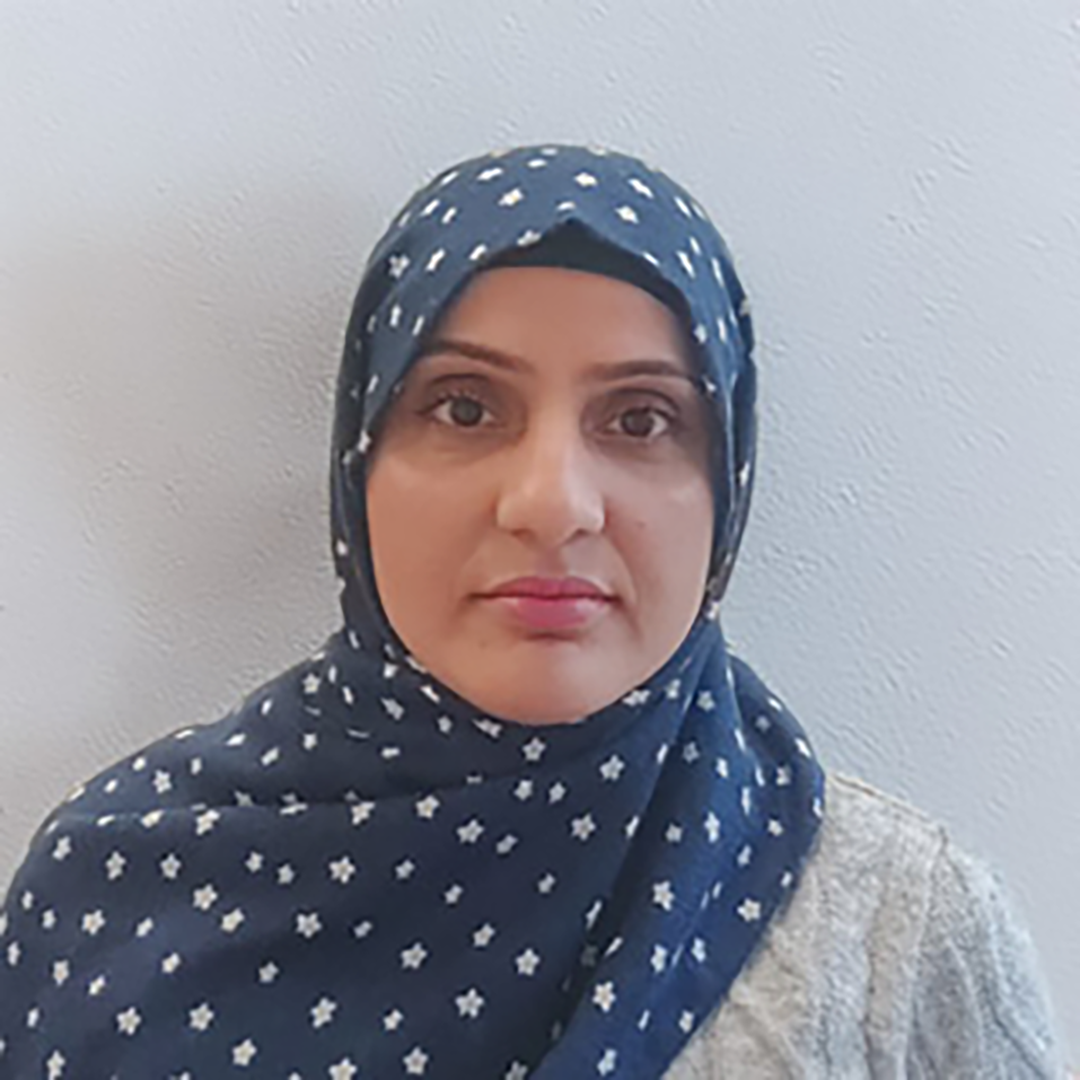
A passion for science and software engineering I am always fascinated by science and how it has reshaped our lives, making us feel more comfortable, connected, empowered, and safe. Computer Science is my core field. I have been studying it since my undergraduate studies, and I still consider myself a student of it, given how rapidly the field advances. The idea of writing a piece of code that will perform a certain task has always ignited curiosity in me, and the fact that it must function as intended is the reason the motivation never dies. Anyone who has ever done [...]
2 Jun, 2026
Behind the research
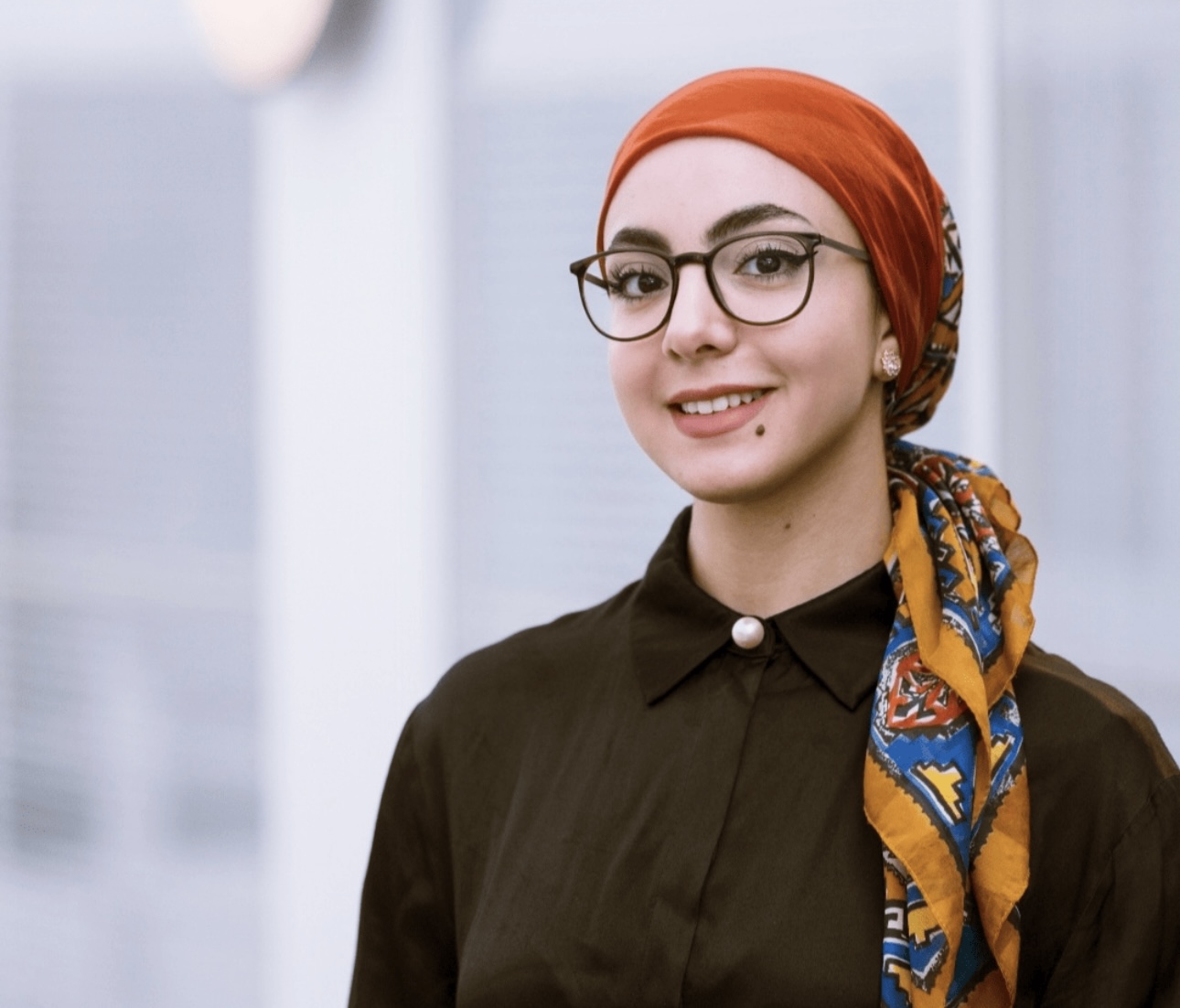
In this edition of Voices from the Lab, we speak to Mariem Chemingui, a postgraduate student at the 5G/6G Innovation Centre, University of Surrey, and a part-time Research Assistant on the 6G-AI-FINESSE project within the CHEDDAR Hub at Keele University. Mariem has recently been awarded the Mitacs Globalink Research Award, supporting her international research collaboration and recognising the growing impact of her work in next-generation wireless communications. Her research explores the future of 5G/6G systems, with a particular focus on intelligent, sustainable and EMF-aware wireless technologies. In this interview, Mariem shares what first drew her to wireless communications, how her [...]
13 May, 2026

Behind the research
In our next edition of Voices from the Lab, we feature Sarat Ahmad, Research Fellow in the School of Electronic and Electrical Engineering at University of Leeds. Sarat’s work sits at the cutting edge of generative AI, machine learning, robotics, and next-generation wireless networks, where intelligent systems meet real-world deployment. As part of the CHEDDAR Hub, Sarat focuses on bringing advanced AI models such as large language models (LLMs), vision-language models (VLMs), and retrieval-augmented generation (RAG) systems into practical environments like O-RAN and multi-access edge computing infrastructure. From enabling robots to make real-time decisions at the network edge to exploring [...]
30 Apr, 2026
Behind the research
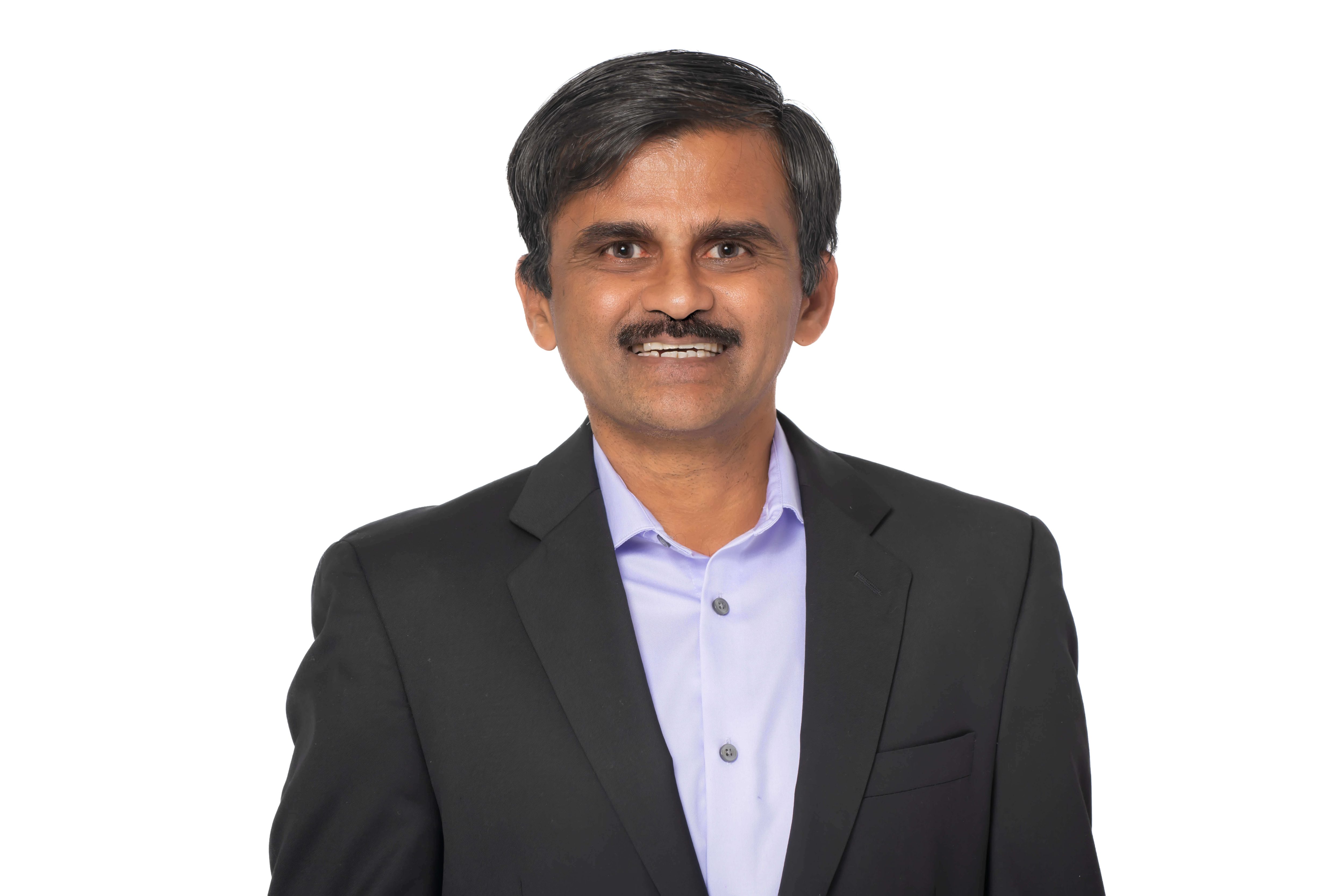
A CHEDDAR Hub Perspective on the article series by Dr Mallik Tatipamula, FRS The Shift from Connectivity to Intelligent Systems The rapid evolution of artificial intelligence from purely digital applications toward embodied, real-world systems is fundamentally reshaping the role of communication infrastructure. As AI systems move beyond data processing to perception, reasoning, and action in physical environments, traditional notions of networking centred on connectivity and data transport are no longer sufficient. In his four-part article series, Dr Mallik Tatipamula articulates a coherent architectural vision for this transition, tracing the evolution from the Internet of Things to Physical AI, from networked [...]
14 Apr, 2026