CHEDDAR Hub at IEEE ICC 2026: showcasing future connectivity research in Glasgow
28 May, 2026
CHEDDAR Hub had a strong and highly visible presence at IEEE ICC 2026 in Glasgow, contributing to a packed week of workshops, expert panels, live demonstrations, mentoring, networking and international collaboration.
As one of the world’s leading conferences for communications research, IEEE ICC brought together researchers, industry leaders, policymakers and innovators to explore the technologies shaping 6G and beyond. For CHEDDAR, the event provided an important platform to demonstrate how UK research is helping to move advanced connectivity from vision and theory towards experimentation, deployment and real-world impact.
Professor Julie McCann, Director of CHEDDAR Hub, said:
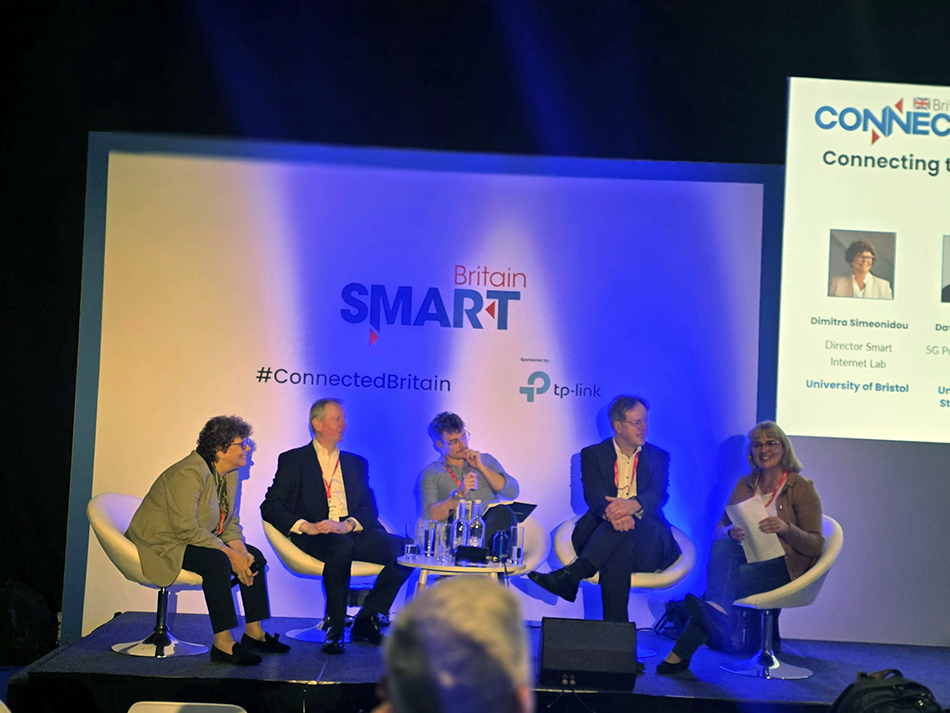
“ICC is the perfect mix of world-leading research and industrial foresight, and it has been great to be part of that. The strong consensus across the talks and panels I contributed to clearly demonstrated that CHEDDAR’s work aligns closely with the priorities of the international connectivity community, particularly around ISAC and AI-native and agentic AI.
“In the Executive Panel, we discussed the future challenges we should be working on to make these opportunities real. This is good news for CHEDDAR colleagues, who are already one step ahead in areas such as privacy, sustainability, security and AIOps research.”
Exploring the future of advanced connectivity
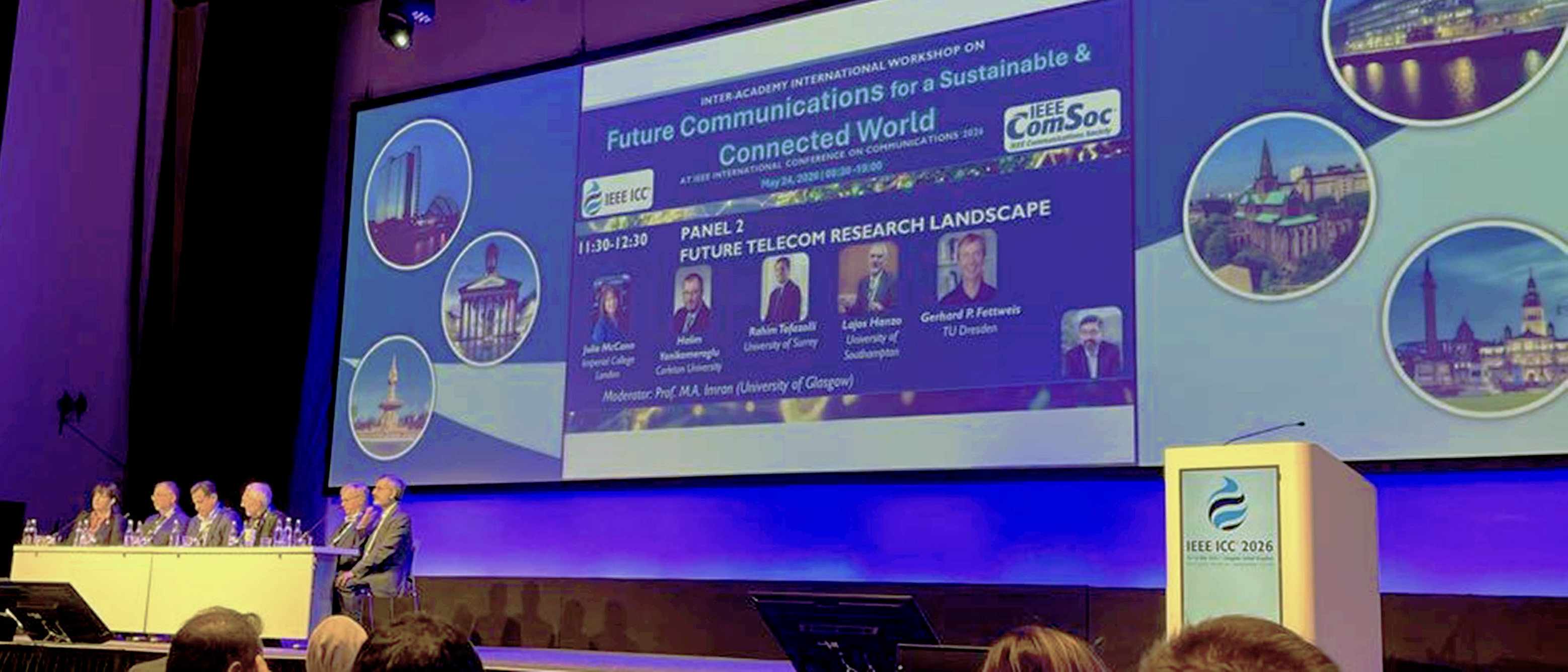
The week began with the CHEDDAR workshop, “Shaping the Future of Advanced Connectivity Technologies: Driving Transformation through Agentic AI, AirComp and ISAC”. The session brought together academic and industry voices to examine how emerging technologies are transforming future communications systems.
The workshop featured keynote talks from Ronnie Vasishta, Senior Vice President, Telecom at NVIDIA, and Professor Marco Di Renzo, Professor of Telecommunications Engineering at King’s College London, alongside research presentations and panel discussions exploring the opportunities and challenges ahead.
Discussions covered a wide range of topics, including agentic AI, over-the-air computation, integrated sensing and communications, AI-native networks, sustainability, standards, and the need to build stronger pathways between research, industry and deployment.
Professor Nagham Saeed, University of West London, reflected on the importance of international collaboration throughout the workshop discussions:
“I was particularly pleased to support the CHEDDAR panel workshop theme, especially its strong focus on strengthening collaboration between academia and industry on an international scale. The discussions throughout the session demonstrated that, where there is shared ambition and commitment, meaningful progress and partnerships can follow.”
CHEDDAR leadership in international discussions
Throughout the conference, CHEDDAR researchers and partners contributed to discussions around global collaboration, future telecoms skills, Open RAN, AI-native systems, sustainability, trusted autonomy and resilient digital infrastructure.
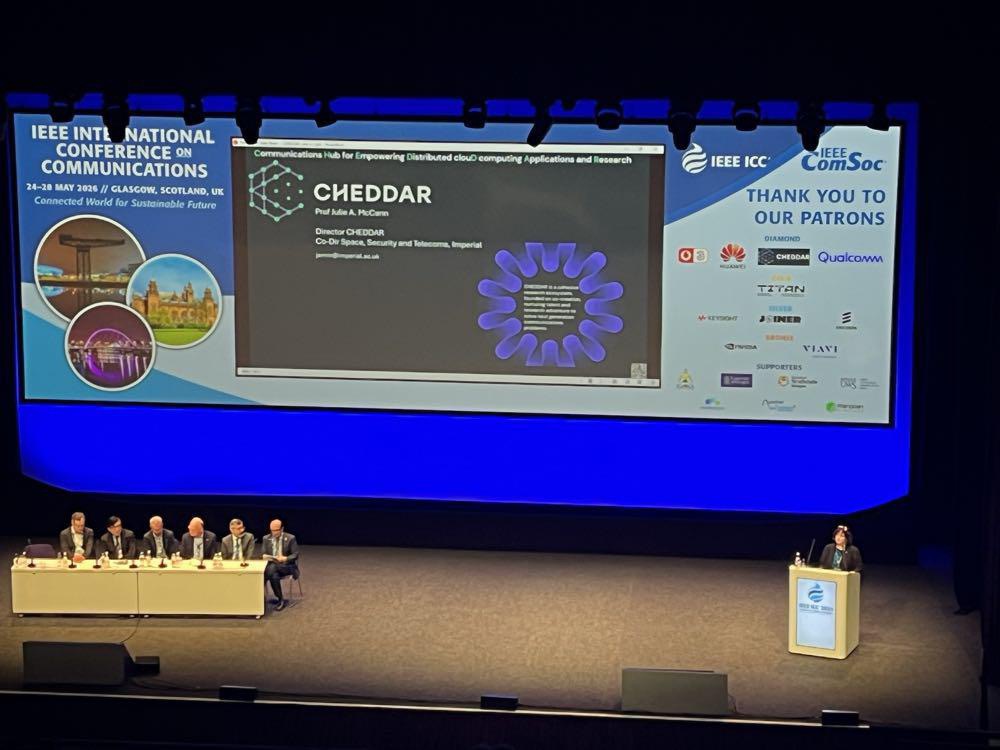
Professor McCann contributed to several high-profile activities during the week, including international workshops and expert panels focused on future communications, collaboration and research impact. These sessions highlighted CHEDDAR’s role not only as a research hub, but as part of a wider national and international ecosystem working to shape the future of communications.
Across the conference, there was significant interest in areas central to CHEDDAR’s research vision, including Integrated Sensing and Communications, cloud and edge computing, and the role of native AI in future telecoms infrastructure.
The Inter-Academy Workshop also provided a valuable platform to engage with representatives from global academies, international academics, industry leaders and standards-related communities. CHEDDAR’s focus on future connectivity, trustworthy systems and international collaboration was strongly aligned with many of the discussions taking place across the event.
Technologies: Driving Transformation through Agentic AI, AirComp and ISAC
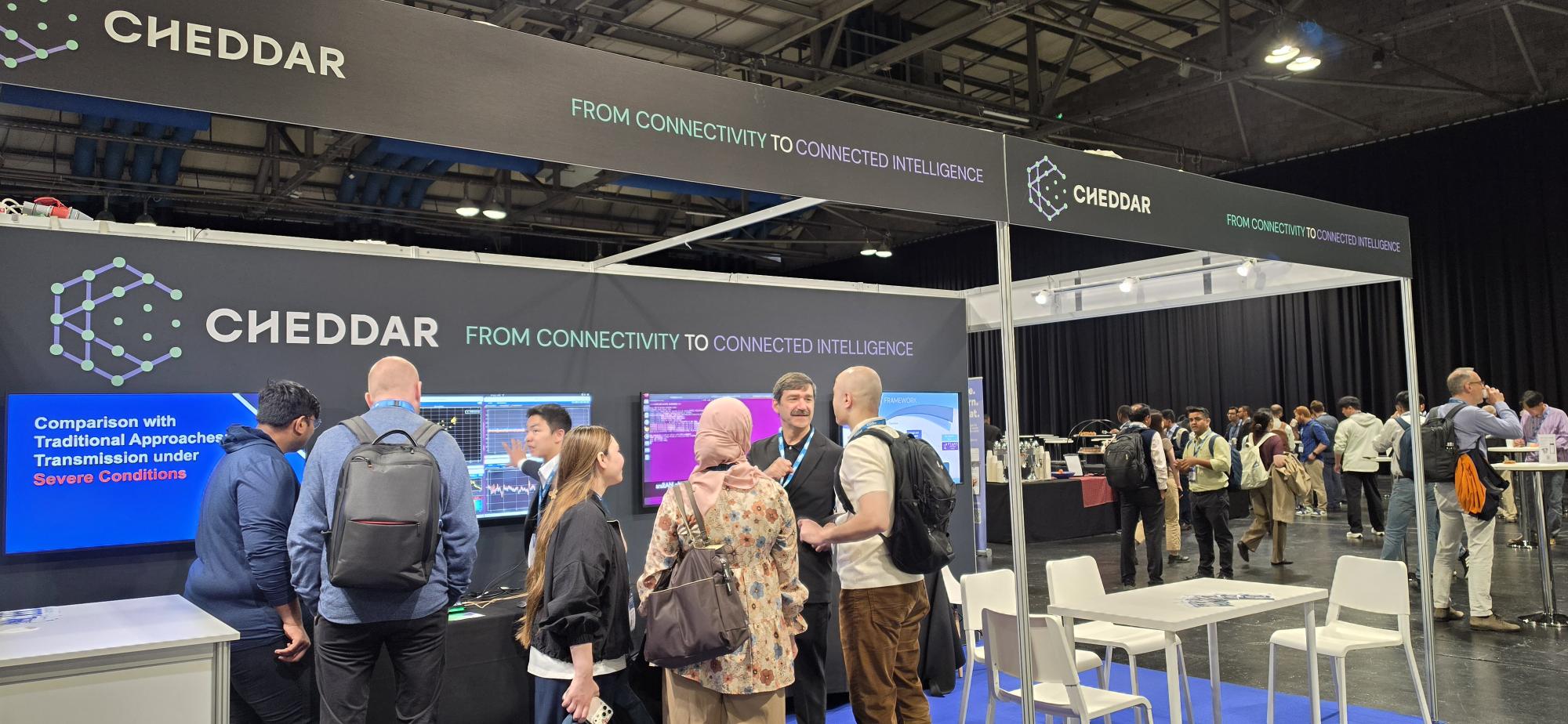
At Stand 2, CHEDDAR showcased a range of research demonstrations highlighting the Hub’s work across intelligent, sustainable and secure connectivity.
The exhibition stand provided delegates with the opportunity to see how advanced research is being developed for practical future applications. The demonstrations reflected key CHEDDAR themes, including AI-enhanced networks, integrated sensing and communications, semantic communications, sustainability, energy harvesting and secure wireless systems.
Executive ForumBy bringing these demonstrations into the conference exhibition space, CHEDDAR was able to show how research across the Hub is progressing towards technologies that could support future healthcare, transport, security, autonomous systems and next-generation communications infrastructure.
Professor Muhammad Imran, CHEDDAR Principal Investigator, reflected on the value of the exhibition presence, saying:
“The CHEDDAR exhibition stand provided a valuable opportunity not only to showcase current achievements and research activities, but also to engage directly with delegates, answer questions, exchange ideas, and strengthen connections with external stakeholders and existing ‘CHEDDAR friends’ from academia, industry and the wider ecosystem. The stand also created an important space for conversation, enabling delegates to connect directly with CHEDDAR researchers, explore the Hub’s research themes and discuss future opportunities for collaboration.”
Supporting future talent
CHEDDAR Hub was also pleased to support the IEEE ComSoc Student & Young Professionals Career Fair, helping early-career researchers and students engage with industry, government and ecosystem leaders.
The session gave students and young professionals a chance to ask questions, explore future career paths, and better understand the talent ecosystem that will shape the future of communications and innovation.
It was particularly encouraging to see strong involvement from students, early-career researchers, academics and professional staff throughout the conference. From technical sessions to informal networking, the event created many opportunities to build new international connections and support the next generation of telecoms researchers.
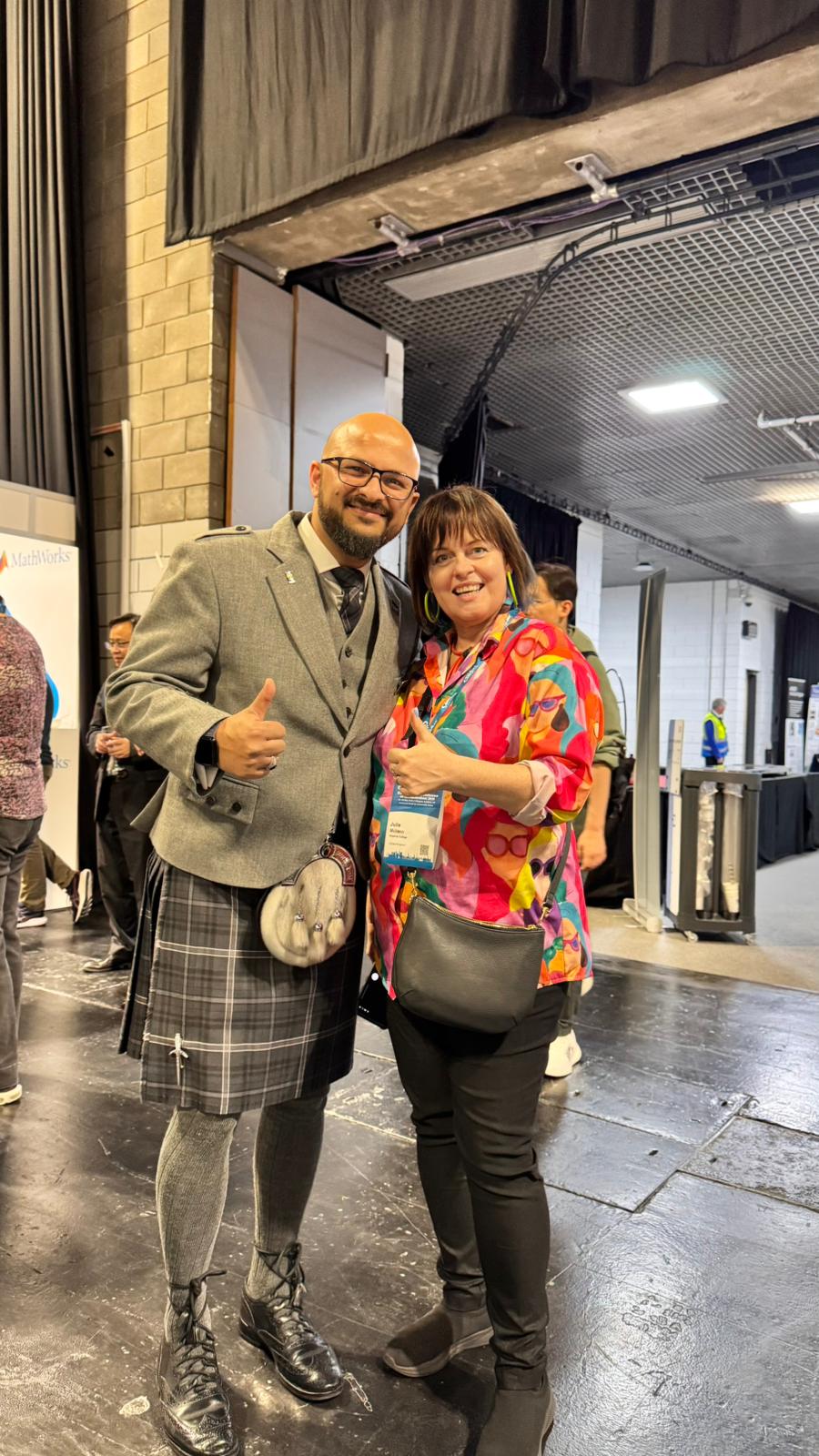
Professor Qammer Abbasi and Professor Julie McCann
Collaboration beyond the conference programme
Beyond the formal technical programme, IEEE ICC 2026 also offered important opportunities to strengthen relationships in more informal ways.
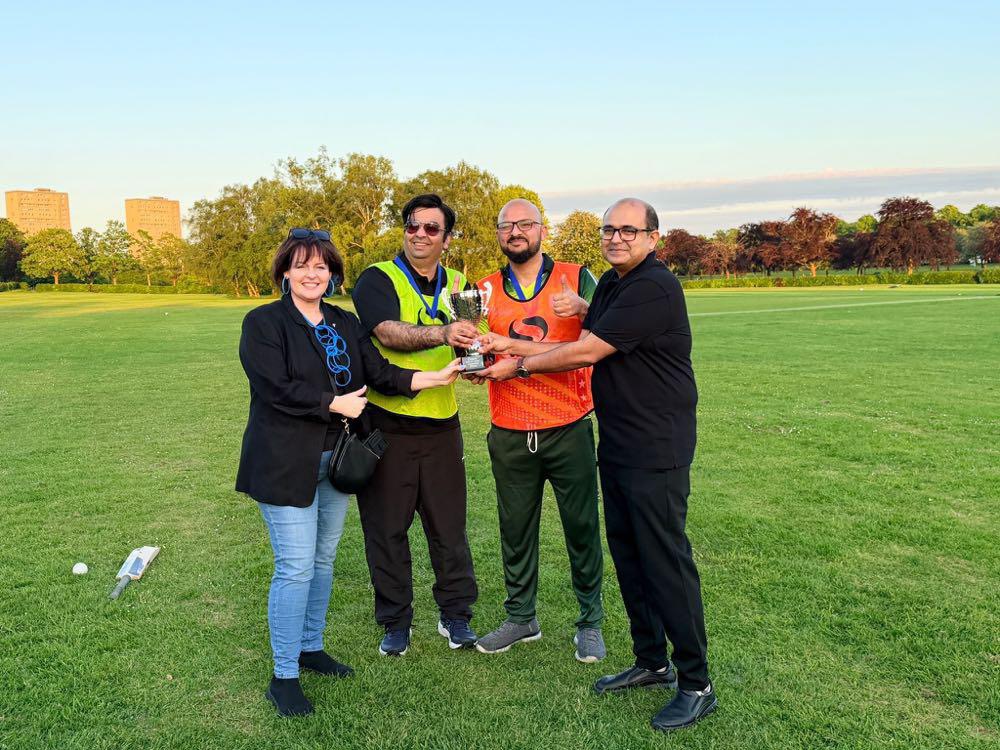
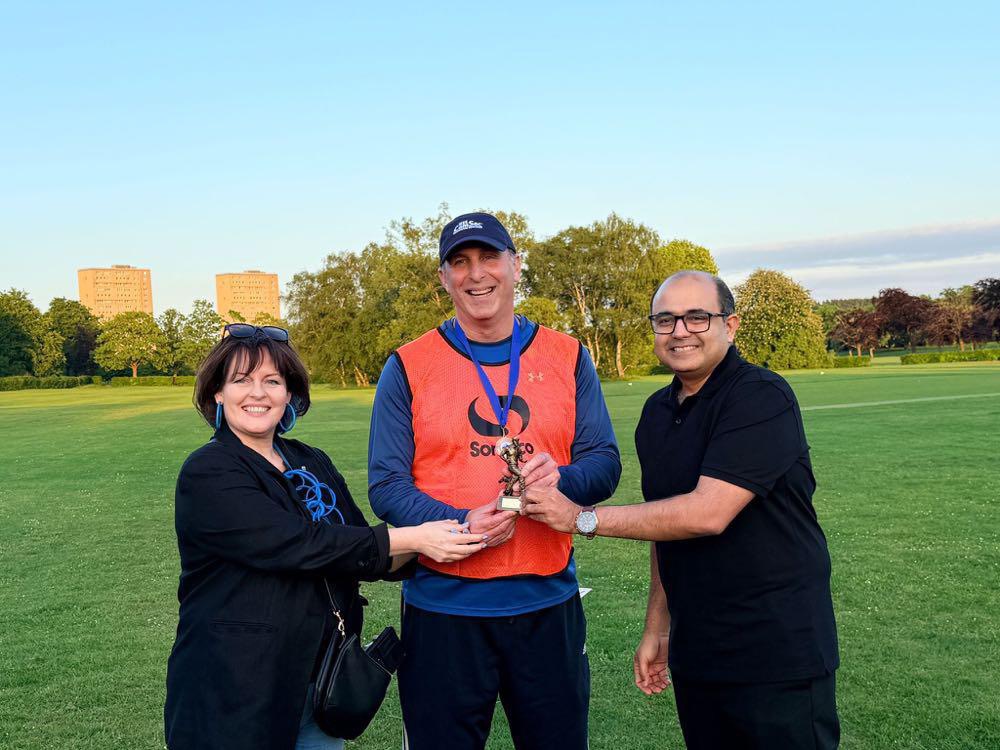
CHEDDAR team members took part in football and cricket matches during the week, helping to build connections beyond the conference sessions. These activities added a social and collaborative dimension to the event, supporting the relationships that are essential to a vibrant and international future telecoms research community.
From research to real-world impact
CHEDDAR’s presence at IEEE ICC 2026 demonstrated the breadth of activity across the Hub, from technical research and live demonstrations to international collaboration, policy-relevant discussion and skills development.
The conference provided an important opportunity to connect with partners across academia, industry and government, strengthening CHEDDAR’s role in supporting the UK’s future connectivity ambitions.
As the Hub continues to grow, events such as IEEE ICC 2026 play a vital role in sharing progress, building collaborations and showing how advanced connectivity research can help shape a smarter, more secure and more sustainable connected world.
Professor Qammer Abbasi, Core Team member of CHEDDAR Hub, said:
“One of the key takeaways from conversations throughout the week was that the focus is now rapidly shifting from 6G vision-setting toward experimentation, deployment and real-world validation. This shift closely aligns with CHEDDAR’s mission to support deployable, trustworthy and scalable future connectivity systems that combine communications, sensing, computing and AI.”
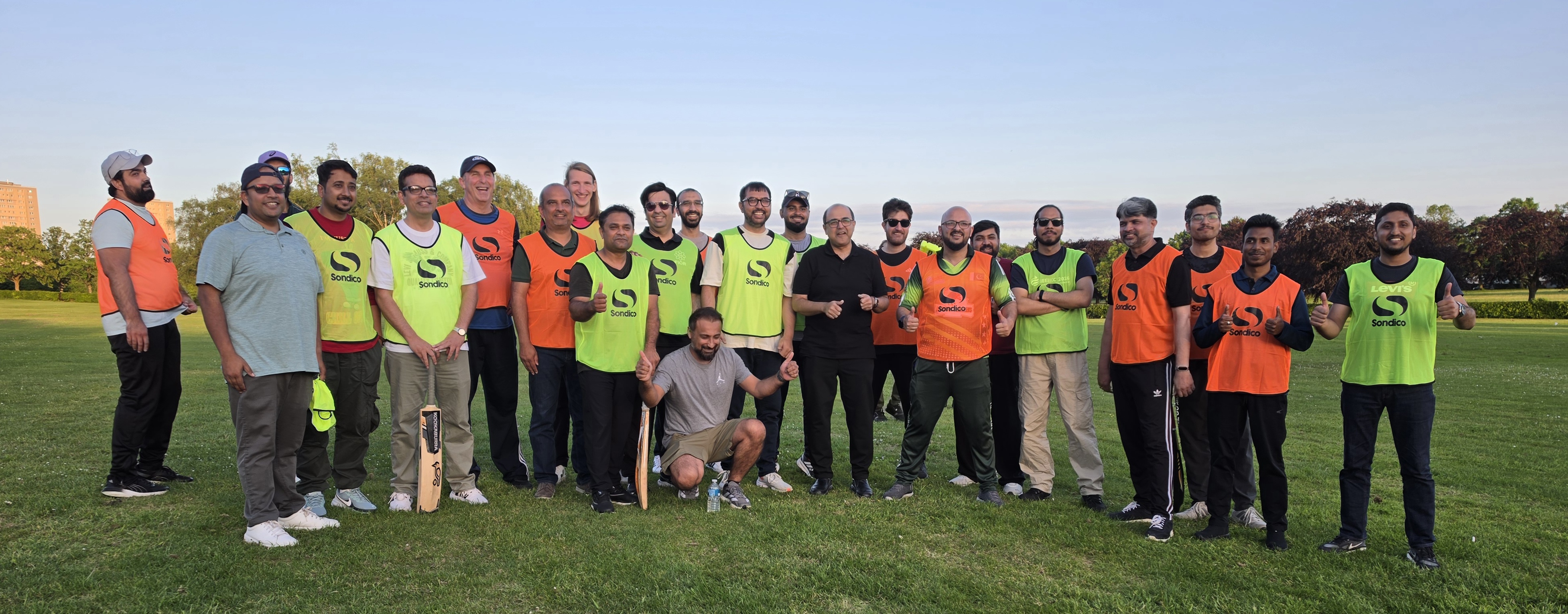
Conference attendees took part in friendly cricket and football matches, with participation from members of the CHEDDAR community including Professor Syed Ali Raza Zaidi, Professor Julie A. McCann, Professor Qammer H. Abbasi and colleagues from across the wider ICC community.