Professor Qammer Abbasi on smart surfaces and wireless sensing in buildings
26 Nov, 2026
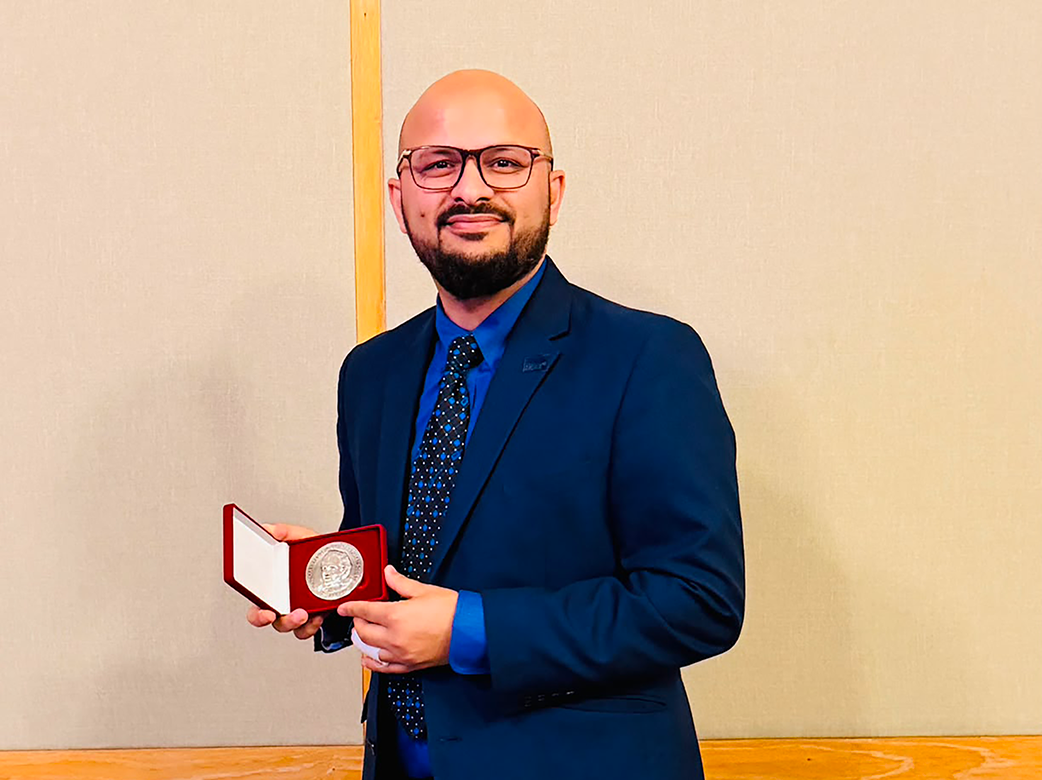
Professor Qammer H. Abbasi, a CHEDDAR core team member at the University of Glasgow, speaks with Layla Laidouci in HiddenWires about how programmable surfaces could improve indoor wireless coverage, what wireless sensing could offer assisted living, and how buildings could protect the people they sense.
Helping wireless signals reach difficult spots
Anyone who has lost Wi-Fi coverage in a basement or a corner room knows how much a building can affect a wireless connection. In the interview, Professor Abbasi describes a Reconfigurable Intelligent Surface (RIS) as a “smart mirror for radio waves”. Built into a wall or ceiling, a programmable surface could steer signals towards areas where coverage is weak.
In a laboratory study at the University of Glasgow, researchers tested a programmable surface at five locations across a room and corridor where the direct signal path was blocked. Adjusting the surface created alternative paths for the signal, helping improve data rates and the system’s ability to estimate a user’s location in the presence of interference. The findings point to a longer-term opportunity for architects and wireless engineers to plan indoor connectivity together.
What wireless sensing could offer assisted living
Professor Abbasi also explores how changes in wireless signals could help detect movement and activity within a home. In assisted living, a future system could flag an unusual change in someone’s movement patterns without relying on a camera in every monitored space.
Protecting privacy and keeping measurements trustworthy
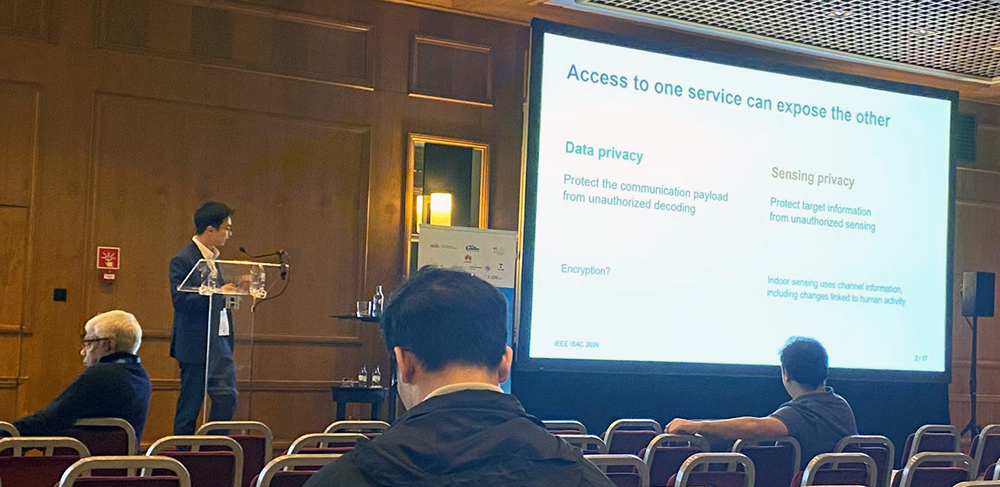
Movement and location data can reveal details about people’s routines. Professor Abbasi argues that privacy should shape the design from the outset, with systems collecting only the information they need and giving residents clear control over it. Security also means protecting the accuracy of what the network senses. If a measurement is manipulated, a system could act on a false picture of what is happening inside a building.