CHEDDAR Industry Day 2026 brings academia and industry together to shape the future of connectivity
24 Jul, 2026
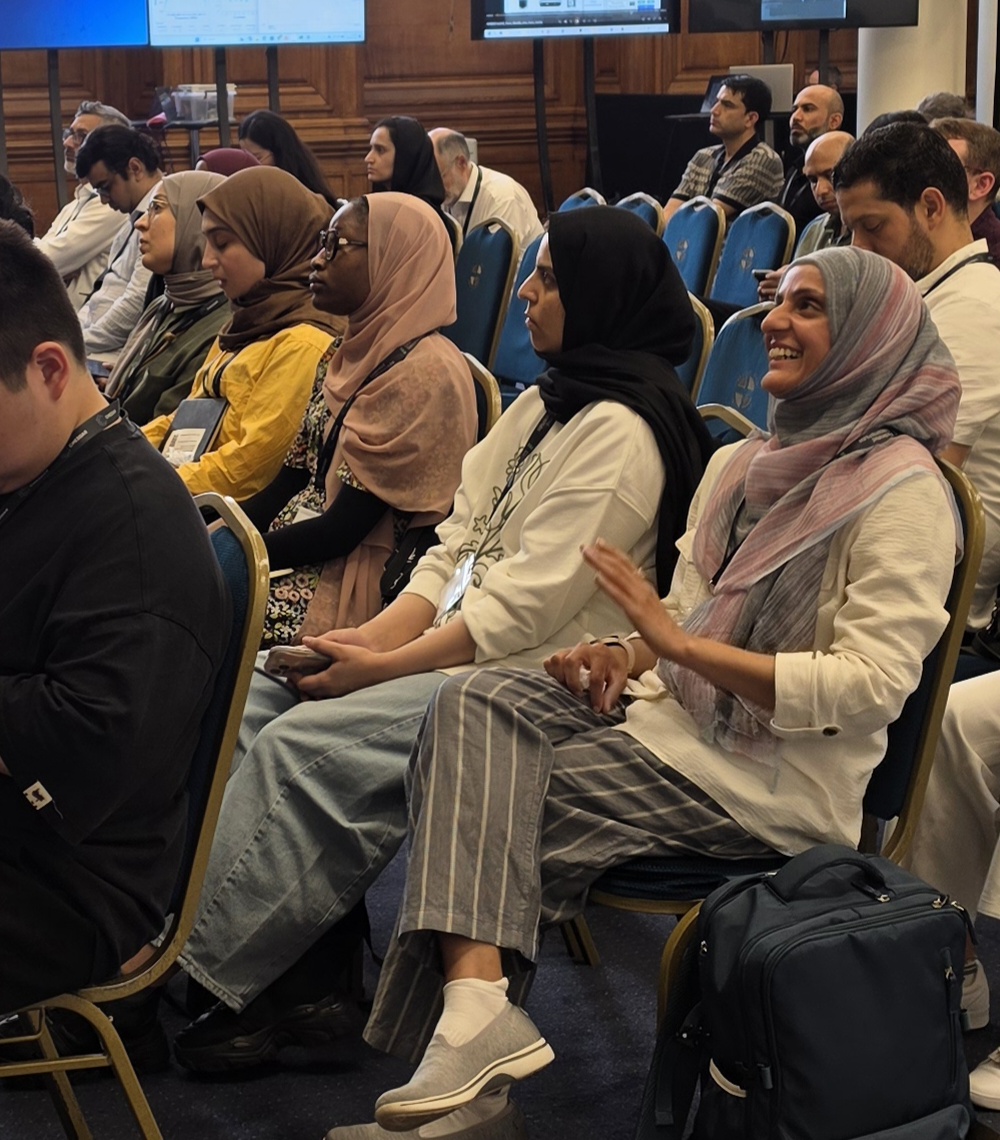
Researchers, industry leaders and innovators gathered at Central Hall Westminster on 10 July for CHEDDAR Industry Day 2026 a full day of keynote presentations, panel discussions, research posters, live demonstrations and networking focused on the future of telecommunications.
The event provided a valuable forum for academia and industry to exchange ideas, explore emerging technologies and consider how stronger partnerships can accelerate advanced connectivity research and turn innovation into real-world impact.
Exploring the future of AI-RAN
The day opened with a keynote from Dr Howard Thomas, Principal Scientist at Viavi Solutions, titled The Future of AI-RAN: A Viavi Perspective.
Dr Thomas examined how artificial intelligence is becoming increasingly central to the development, management and optimisation of radio access networks.
He also explored the opportunities and practical challenges involved in creating more intelligent, adaptive and autonomous network systems.
Will there be a 7G?
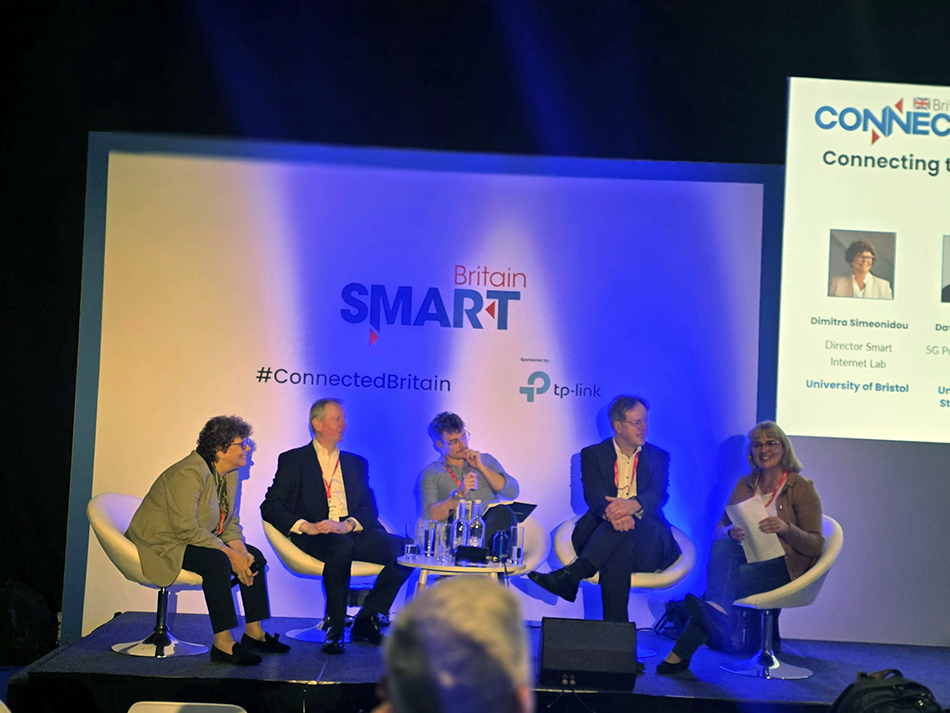
The first panel discussion, Will There Be a 7G?, was chaired by Dean Bubley, Founder of Disruptive Analysis.
The panel brought together:
- Professor Paul Febvre, Cranfield University
- Adnan Aijaz, Toshiba
- Dr Syed Ali Raza, CHEDDAR
- Kevin Holley, BT
Together, the panellists considered whether telecommunications will continue to follow the established progression from 5G to 6G and beyond, or move towards a more continuous model of network evolution.
The discussion explored the technologies, use cases and commercial drivers that may shape future generations of connectivity. It also highlighted the importance of ensuring that future networks respond to genuine societal, economic and industrial needs.
Reflecting on the discussion, Dean Bubley said:
“The panel covered some of the key unknowns for the 6G era and what might be left for 7G to explore. There was a sense that some of the more advanced technologies, such as smart surfaces and more sophisticated sensing variants, will still require significant scientific research and commercialisation work.
“This is likely to continue throughout the 2030s before any potential standardisation. There are also many open questions around geopolitics, regulation, spectrum availability and spectrum sharing, which will evolve over time and may not be fully resolved by 2030 or achieve global agreement.”
Federated learning for large language models
The afternoon programme began with a keynote from Professor Nic Lane, RAEng Chair at the University of Cambridge and Co-Founder of Flower Labs, on Federated Learning to Train LLMs.
Professor Lane explored how federated learning could support the distributed training of large language models while enabling organisations to retain greater control over their data.
The presentation highlighted the potential of federated approaches to strengthen privacy, security and collaboration across devices and organisations, while also addressing the technical challenges associated with training increasingly complex AI systems.
Securing AI in future 6G networks
This was followed by a technical talk from Clifton Fernandes, Leader of AI and Security at Nokia, titled Securing AI in 6G from a Nokia Perspective.
The talk examined the growing importance of security as artificial intelligence becomes more deeply embedded within future communication networks.
Clifton discussed the need to consider AI security throughout the design and development of 6G systems—from protecting data and machine-learning models to creating trusted, resilient and secure network infrastructure.
Why do promising collaborations fail?
The final panel, Why Don’t Things Work? Strengthening Industry–Academia Collaboration, was chaired by Professor Paul Febvre, Head of the Centre for Space Systems at Cranfield University.
The panel included:
- Dr Laksh Bhatia, InterDigital
- Professor Nic Lane, Flower Labs
- Henry Tse, Meriva Impact
The discussion addressed some of the recurring barriers that prevent promising research collaborations from achieving their full potential.
Panellists explored differences in timescales, priorities, expectations and measures of success across academia and industry. They also considered how clearer communication, sustained engagement and shared objectives can create more productive, effective and impactful partnerships.
Reflecting on the discussion, panellist Dr Laksh Bhatia said:
“Being part of the panel on ‘Why Don’t Things Work?’ was a fascinating experience, particularly because it brought together perspectives from both academia and industry.
“Our discussion explored why promising ideas so often fail to translate into real-world impact, highlighting how misaligned incentives can create barriers to collaboration and innovation.
“One of the most thought-provoking aspects was considering how we can better prepare the next generation of researchers to navigate these challenges, work effectively across both worlds and help bridge the gap between research ideas and real-world products.”
Showcasing research through posters and demonstrations
Industry Day also provided an opportunity for researchers to present posters and live demonstrations showcasing the breadth of work taking place across the CHEDDAR community.
The displays covered a wide range of topics, including future networks, advanced connectivity, artificial intelligence, sensing, security and next-generation communication systems.
The poster and demonstration session enabled attendees to speak directly with researchers, explore emerging technologies and identify opportunities for future collaboration, testing and development.
Turning conversations into stronger connections
CHEDDAR Industry Day 2026 demonstrated the importance of bringing academia and industry together to discuss shared challenges, exchange knowledge and develop new opportunities for collaboration.
Reflecting on the event, Professor Hongjian Sun said:
“I enjoyed all the panel discussions, particularly the final session. The panellists offered valuable insights into why industry–academia partnerships can stall, alongside practical solutions for bridging the gap.
“I left genuinely impressed and ready to rethink how our team approaches collaboration with industry. From AI-RAN and federated learning to 6G security and the future of industry–academia partnerships, the programme addressed a wide range of technical and strategic questions shaping the future of telecommunications.”
His comments captured one of the central themes of the day: the need to connect ambitious research with practical expertise, commercial understanding and sustained collaboration.
A huge thank you to all our speakers, chairs, panellists, researchers and attendees for contributing to such an insightful, engaging and thought-provoking event.