CHEDDAR Director explores ISAC challenges and intelligent systems at MobiQuitous 2026 in Japan
17 Nov, 2026
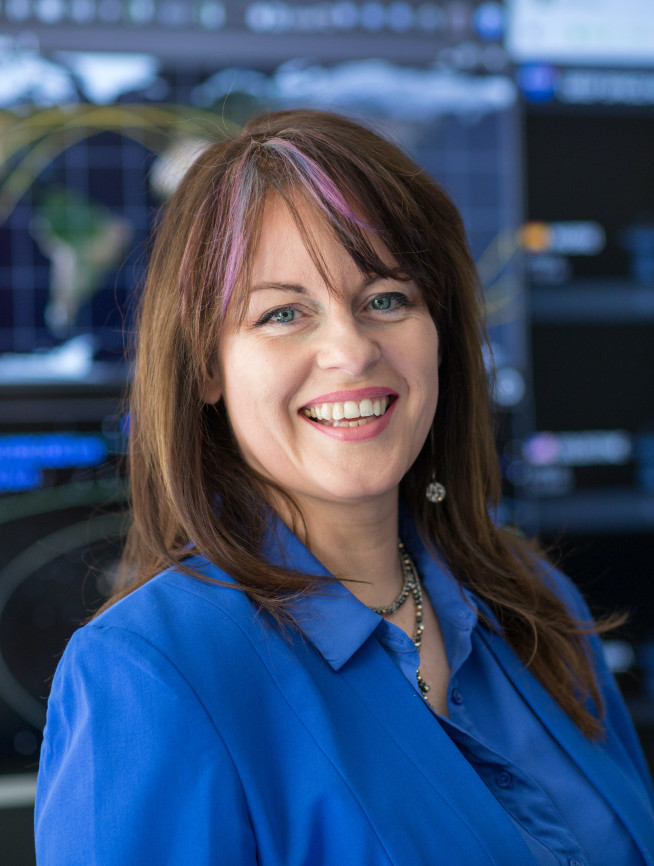
Professor Julie McCann, Director of the CHEDDAR Hub at Imperial College London, delivered a keynote at MobiQuitous 2026 in Beppu, Japan, exploring how errors and interference can be harnessed to improve the design and resilience of intelligent systems.
The 23rd EAI International Conference on Mobile and Ubiquitous Systems: Computing, Networking and Services (MobiQuitous 2026), held from 16–18 November, brought together international researchers and industry specialists working across mobile computing, sensing, networking and intelligent technologies.
Finding opportunities in errors and interference
Professor McCann’s keynote, “Finding Rubies in the Dust: How to Exploit Errors and Interference to Enhance Systems,”challenged conventional approaches to system design, exploring how interference and errors can offer opportunities to improve the performance, adaptability and resilience of connected systems.
Following the keynote, audience questions focused on two significant challenges for future wireless networks: applying Integrated Sensing and Communication (ISAC) across different domains and scaling these technologies.
Julie also discussed the distinction between over-the-air computation (AirComp/OTAC) and traditional edge computing, highlighting different approaches to processing information within wireless networks.
Reflecting on the audience response, Professor McCann said:
“I got some great audience questions after my Keynote opening Mobiquitous 2026 in Japan – specifically on the cross-domain use and scale-up of ISAC, both massive challenges. It was also lovely to see the audience realise the difference between Aircomp (OTAC) and traditional edge-compute”.
Connecting international research with CHEDDAR’s vision
The discussions connect closely with CHEDDAR’s research into future intelligent connectivity, particularly its next research vision, Cognizant Convergent Connectivity.
This vision explores how communications, sensing, computing and energy can operate together within intelligent, adaptive infrastructure, moving beyond conventional network architectures.
Developing scalable ISAC technologies and new approaches to distributed computation will be important in addressing the challenges of increasingly complex wireless environments.
Strengthening international research connections
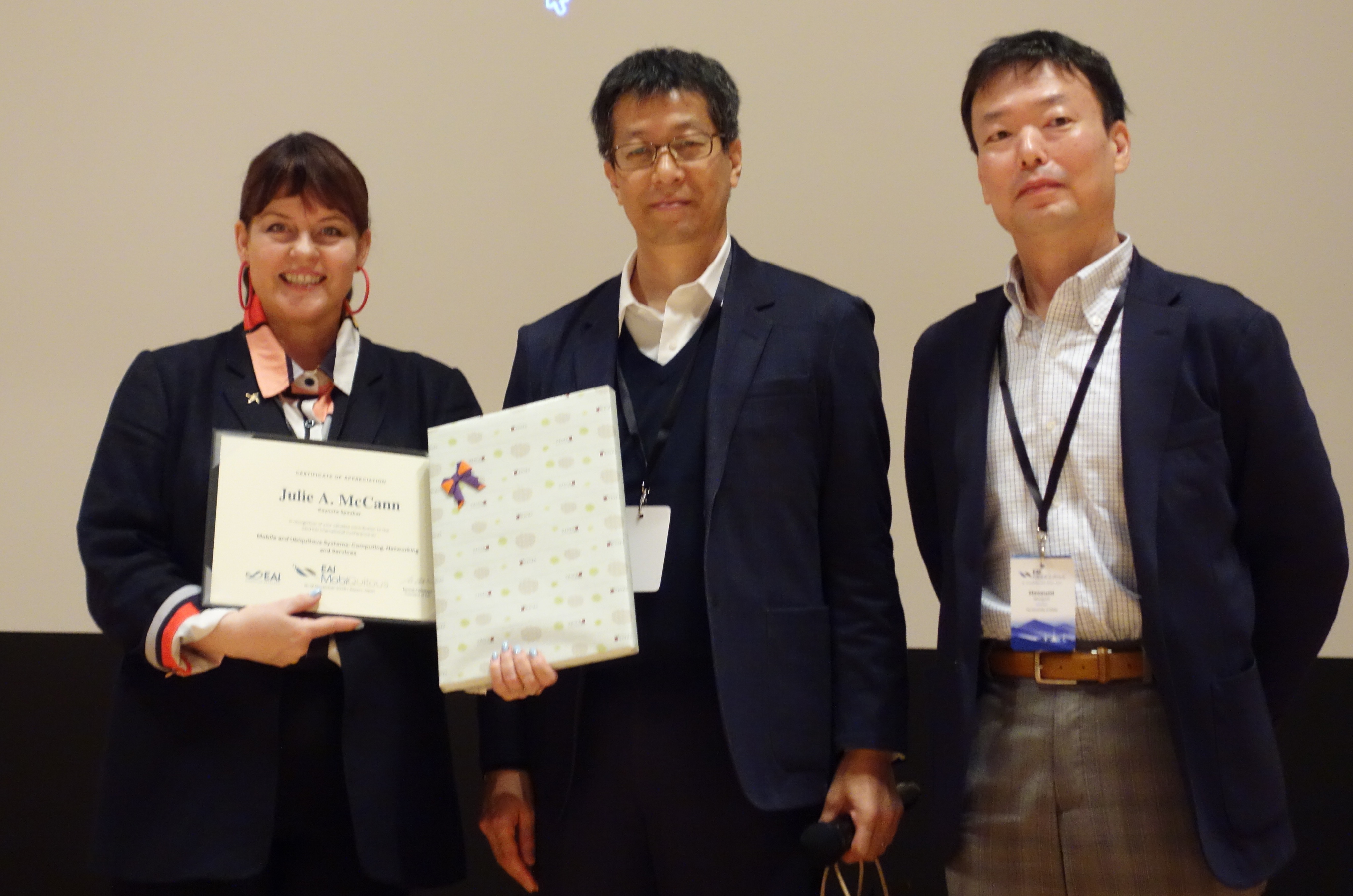
During the conference, Professor McCann also met with Professor Takahiro Hara and Professor Hirozumi Yamaguchi from The University of Osaka, providing an opportunity to exchange perspectives on mobile and ubiquitous computing research.
International research engagement remains important to CHEDDAR’s work, bringing together expertise and ideas that can help address shared challenges in the development of future communication systems.
Professor McCann’s participation at MobiQuitous 2026 provided a platform to share research perspectives, discuss technical challenges and connect CHEDDAR’s work with the wider international research community.
Find out more: EAI MobiQuitous 2026