Friends of CHEDDAR & Industry Day 2026
4 Jun, 2026

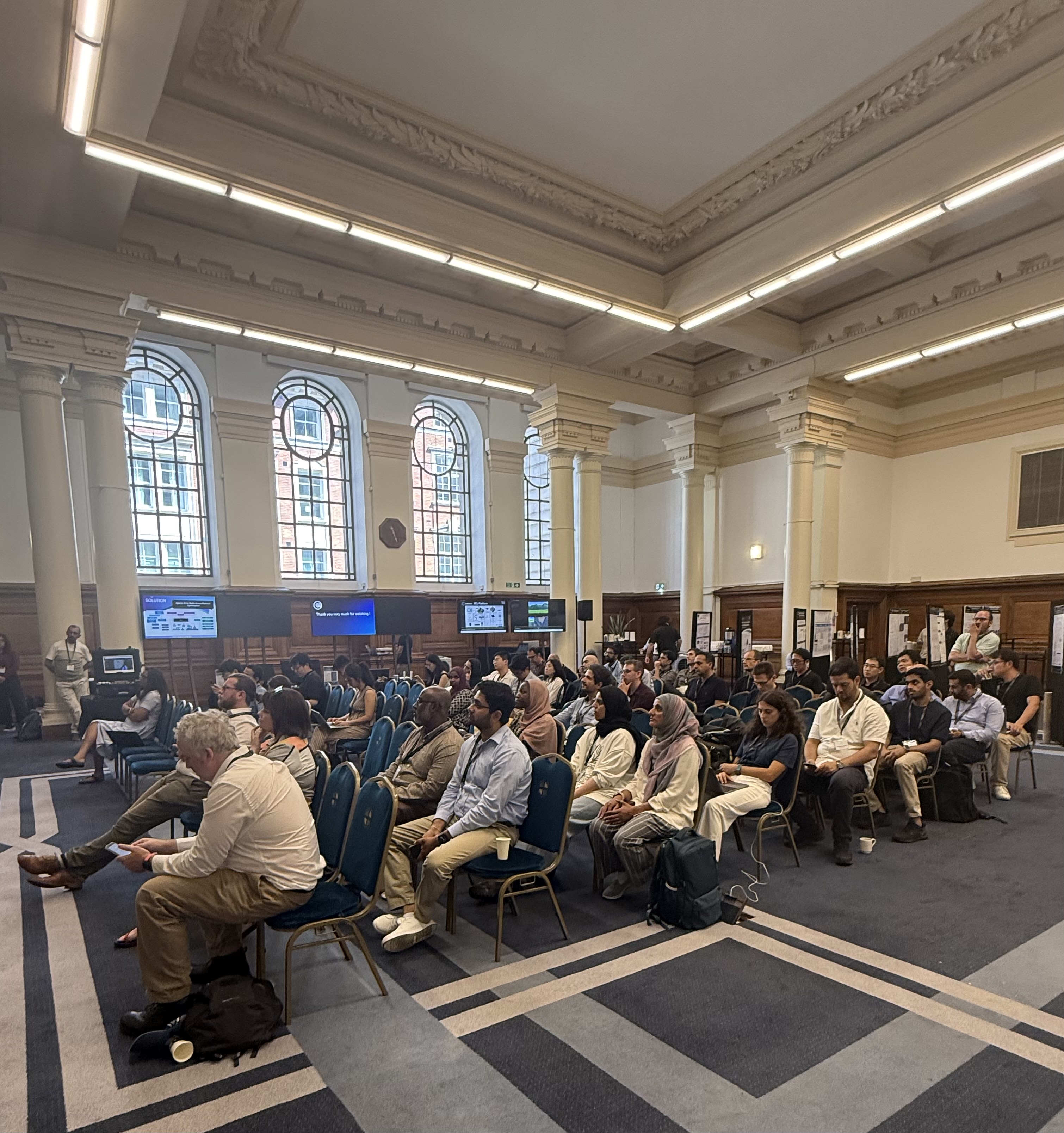
9–10 July 2026 | Central Hall Westminster, Storey’s Gate, London SW1H 9NH
The CHEDDAR Hub is delighted to welcome researchers, industry leaders, policymakers and innovators to Friends of CHEDDAR and Industry Day 2026, taking place on 9–10 July 2026 at Central Hall Westminster, London.
Across two days, the event will bring together leading voices from academia, industry and government to explore the technologies, collaborations and partnerships shaping the future of advanced connectivity. From AI-enabled networks and distributed intelligence to security, sensing and inclusive innovation, delegates will gain insight into the latest research while building new collaborations across the UK’s advanced connectivity ecosystem.
Friends of CHEDDAR – 9 July
The opening day celebrates the strength and diversity of research taking place across the CHEDDAR Hub, providing a platform for researchers to present emerging work, exchange ideas and strengthen collaborations.
The programme opens with a welcome from Professor Julie McCann, Director of the CHEDDAR Hub, alongside Justin O’Byrne (EPSRC), before an invited keynote from Professor Fahim Kawsar, Founder and CTO of OmniBuds and Professor of Mobile Systems at the University of Glasgow.
His keynote, Beyond Biosignals: Earables and the Future of Physiological Intelligence, will explore how next-generation wearable technologies are transforming physiological sensing, enabling intelligent healthcare applications and creating new opportunities for human-centric AI.
The morning continues with an invited talk from Professor Akram Alomainy (Queen Mary University of London), examining the future of connectivity within the electromagnetic environment and highlighting the role of defence science, resilient communications and dual-use innovation. The session is followed by CHEDDAR’s Poster and Demonstration Spotlight Presentations, showcasing cutting-edge research from across the Hub and its partner institutions.
Following lunch and networking around the poster and demonstration exhibition, the afternoon features selected technical presentations from CHEDDAR researchers before two engaging panel discussions.
The first panel explores Autonomous, Aware and Accountable Networks, examining how artificial intelligence, distributed systems and automation are reshaping the future of communications. The second panel focuses on Building Inclusive Futures, bringing together speakers to discuss lessons learned from diversity initiatives across engineering, computing and technology, and how collaboration can help create a more inclusive research community.
Together, these sessions highlight not only the technological advances emerging from CHEDDAR, but also the people, partnerships and collaborative culture driving innovation across advanced connectivity.
Industry Day – 10 July
Industry Day brings together internationally recognised experts from telecommunications, artificial intelligence, cloud computing and digital infrastructure to explore the opportunities and challenges shaping next-generation communications.
The day begins with a keynote from Dr Howard Thomas, Principal Scientist at Viavi Solutions, entitled “This Is the Data You Are Looking For.”
In his keynote, Dr Thomas will examine one of the biggest challenges facing AI-RAN: high-quality data. While advances in AI often focus on increasingly sophisticated models, successful AI systems ultimately depend on trusted, representative and validated datasets. The presentation will explore how real-world network measurements, digital twins and ray-traced environments can provide the foundations for AI-driven radio access networks, while introducing VIAVI’s three-pillar methodology for assessing dataset integrity, similarity and diversity. The talk will also highlight open research questions where collaboration between academia and industry can help shape the future of AI-enabled telecommunications.
The morning continues with a panel discussion chaired by Dean Bubley, Founder of Disruptive Analysis, asking the provocative question:
Will There Be a 7G?
Chaired by Dean Bubley, Founder of Disruptive Analysis, this panel brings together leading voices from across the telecommunications ecosystem to explore whether future mobile generations will continue to follow traditional technology cycles or evolve into something fundamentally different. The discussion will examine AI-native networks, distributed cloud computing, non-terrestrial communications, network automation, and the future evolution of wireless infrastructure.
Following lunch and networking, delegates will hear from Professor Nic Lane, RAEng Chair at the University of Cambridge and Co-Founder of Flower Labs, whose keynote Federated Learning to Train LLMs explores privacy-preserving approaches to training large language models through distributed intelligence.
The afternoon also includes a technical presentation from Clifton Fernandes, Leader for AI and Security at Nokia, who will discuss the challenges of securing AI-enabled 6G networks and ensuring resilient, trustworthy communications infrastructures for the future.
The programme concludes with a panel discussion chaired by Professor Paul Febvre (Cranfield University), exploring one of the most important questions facing innovation today:
Why Don’t Things Work? Strengthening Industry–Academia Collaboration
Joining the discussion is Henry Tse, Founder and Director of Meriva Impact, whose career spans more than two decades in defence, national security and technology commercialisation. Drawing on leadership roles at BAE Systems Digital Intelligence and Connected Places Catapult, Henry brings extensive experience in translating emerging research into deployable products, strategic partnerships and real-world impact.
The panel will explore how stronger collaboration between universities, industry and government can accelerate innovation, improve technology adoption and bridge the gap between world-leading research and commercial deployment.
Throughout the day, delegates will also have the opportunity to explore research posters and live demonstrations showcasing pioneering work from across the CHEDDAR community before joining the Awards Presentation and Evening Reception, providing further opportunities for networking and collaboration.
Building the Future Together
Friends of CHEDDAR and Industry Day 2026 offers a unique opportunity to engage with pioneering research, hear from internationally recognised experts and connect with colleagues from across academia, industry and government.
From AI-powered communications and distributed intelligence to future wireless networks, digital infrastructure, security and inclusive innovation, the event showcases the collaborative research, industrial partnerships and multidisciplinary expertise helping to shape the next generation of advanced connectivity.
Whether you are a researcher, policymaker, technology developer or industry leader, Friends of CHEDDAR and Industry Day provides an outstanding forum to discover emerging technologies, exchange ideas and build the collaborations that will define the future of communications.
Register here for Friends of CHEDDAR Eventbrite
Register here for Industry Day Eventbrite
Download the Industry Day Agenda
Download the Friends of CHEDDAR Agenda
Places are limited and allocated on a first-come, first-served basis.
Meet Our Keynote and Invited Speakers
Friends of CHEDDAR and Industry Day 2026 will feature an outstanding line-up of internationally recognised experts from academia and industry. Bringing together leaders in artificial intelligence, advanced wireless communications, cybersecurity, wearable technologies and future networking, our keynote and invited speakers will share their latest insights, research and perspectives on the technologies shaping the future of advanced connectivity.
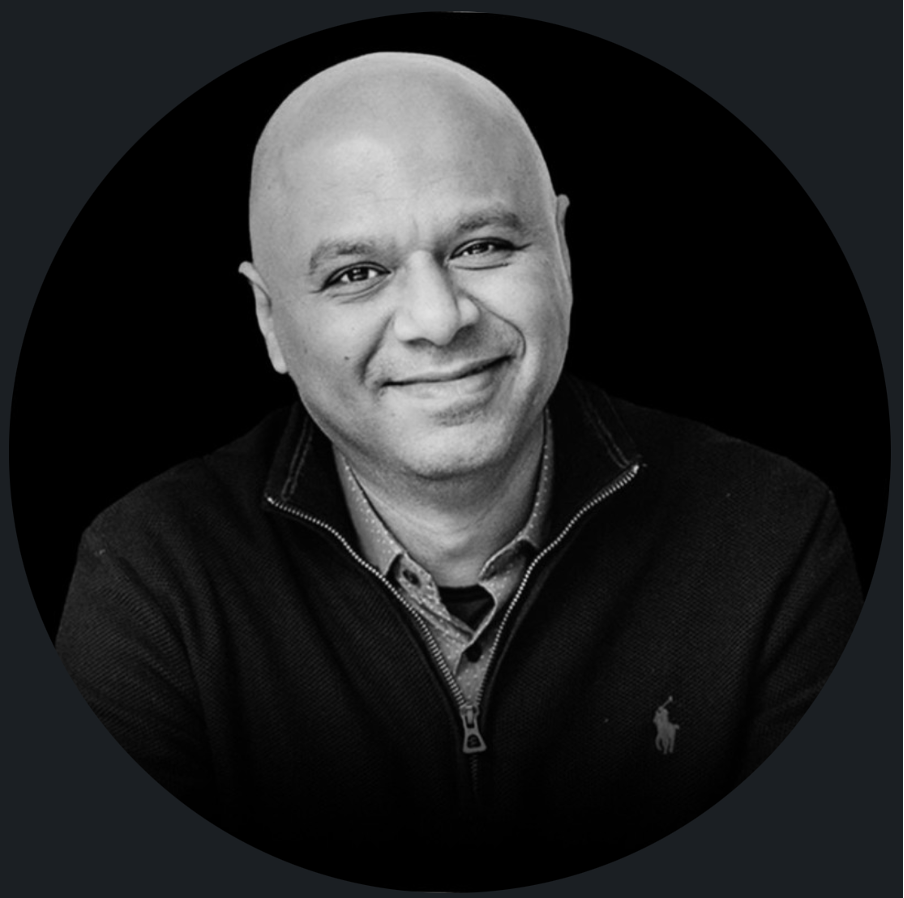
Fahim Kasir
Professor Fahim Kawsar
Founder & CTO, OmniBuds | Professor of Mobile Systems, University of Glasgow
Professor Fahim Kawsar is Founder and Chief Technology Officer of OmniBuds and Professor of Mobile Systems at the University of Glasgow. An internationally recognised researcher in pervasive and mobile systems, his work focuses on wearable technologies, edge artificial intelligence and human-centred computing. His research explores how intelligent sensing and AI can be embedded into everyday devices to improve healthcare, wellbeing and digital experiences. Through both academic research and technology innovation, Professor Kawsar is helping shape the future of intelligent connected systems and next-generation wearable technologies.
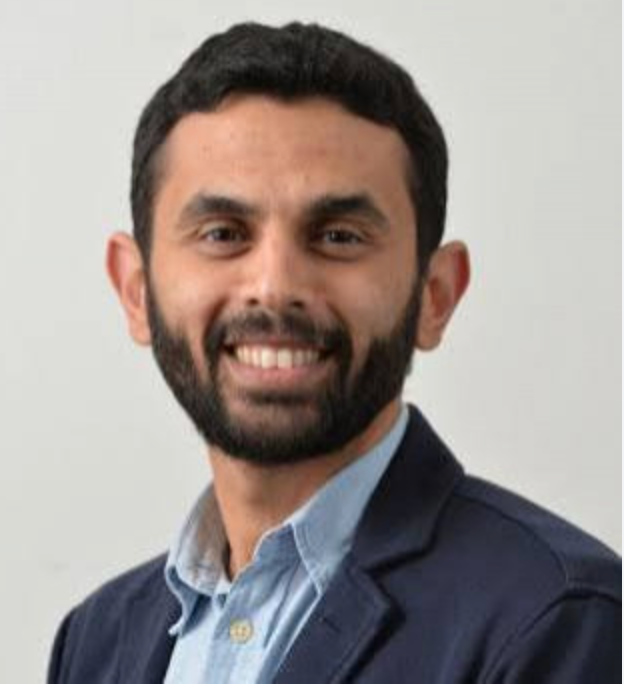
Akram Alomainy
Professor Akram Alomainy
Professor of Antennas and Applied Electromagnetics and Deputy Dean for Postgraduate Research, Queen Mary University of London
Professor Akram Alomainy is Professor of Antennas and Applied Electromagnetics and Deputy Dean for Postgraduate Research in the Faculty of Science and Engineering at Queen Mary University of London. His internationally recognised research spans advanced wireless communications, body-centric and wearable technologies, intelligent sensing and applied electromagnetics. Working closely with industry, government and research partners, he develops innovative technologies that support resilient communications, defence applications, digital healthcare and future wireless networks. He has led numerous collaborative research programmes advancing next-generation connectivity and electromagnetic technologies.
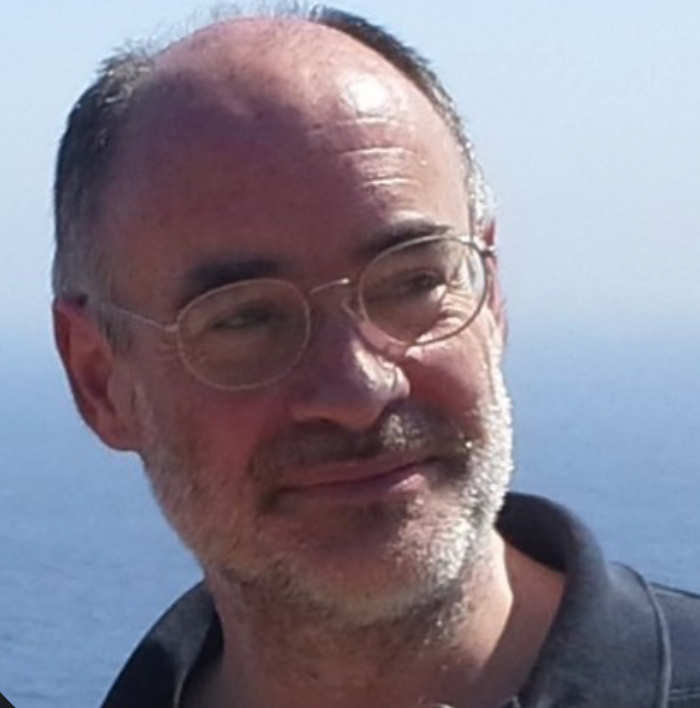
Howard Thomas
Dr Howard Thomas
Principal Scientist, Viavi Solutions
Dr Howard Thomas is Principal Scientist at Viavi Solutions, where he specialises in wireless communications, AI-enabled radio access networks (AI-RAN), network measurement and digital twin technologies. He plays a leading role within the AI-RAN Alliance, contributing to initiatives focused on trusted datasets and the validation of AI systems for telecommunications. His work explores how high-quality measurement data, network modelling and digital twins can support the development of reliable, intelligent mobile networks. Dr Thomas works closely with industry and the research community to accelerate the adoption of AI across future communications systems.
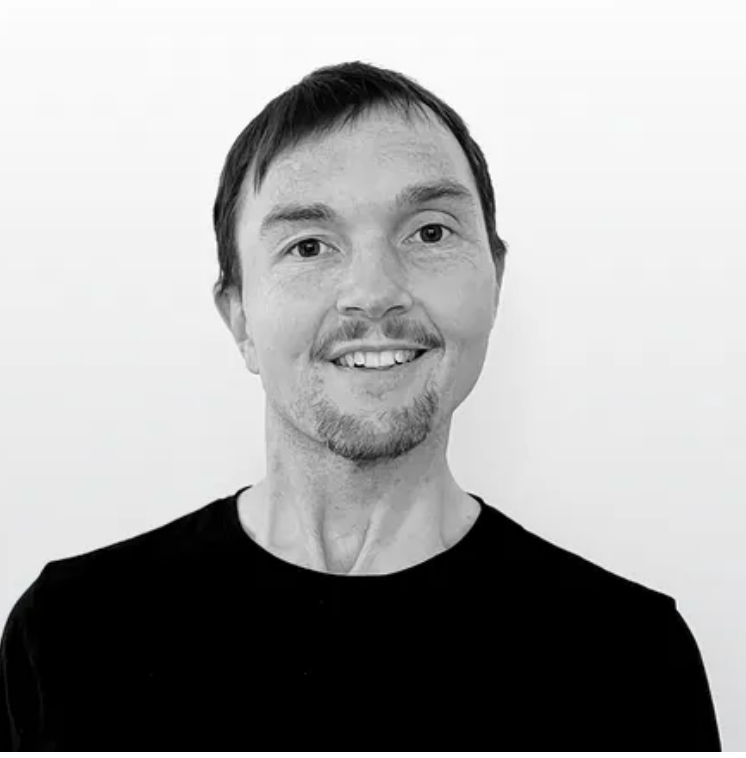
Nic Lane
Professor Nic Lane
RAEng Chair in Emerging Technologies, University of Cambridge | Co-Founder, Flower Labs
Professor Nic Lane is Royal Academy of Engineering Chair in Emerging Technologies at the University of Cambridge and Co-Founder of Flower Labs. He is internationally recognised for his pioneering research in artificial intelligence, edge computing, mobile systems and federated learning. His work focuses on developing privacy-preserving approaches that enable AI models, including large language models, to be trained across distributed devices without centralising sensitive data. Professor Lane’s research bridges academia and industry, advancing scalable, energy-efficient AI technologies for future intelligent systems.
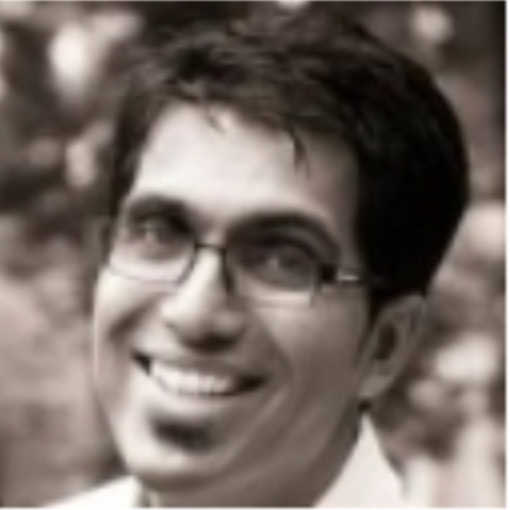
Clifton Fernandes
Clifton Fernandes
Leader, AI and Security, Nokia
Clifton Fernandes is a seasoned professional with extensive experience in the telecom industry who has led global teams in research and innovation, security standardisation, cybersecurity research, and product development for security across 4G, 5G, and emerging 6G. Clifton’s expertise extends to the fields of security and AIML. In his latest role, Clifton has made significant contributions to the O-RAN (Open Radio Access Network), 3GPP (3rd Generation Partnership Project) Standards Developing Organisations (SDOs) and CEN CENELEC, serving as a rapporteur for security topics. Furthermore, he co-leads the 6G Next Generation Research Group (ngRG) security stream in O-RAN, driving innovation and standardisation in the field.
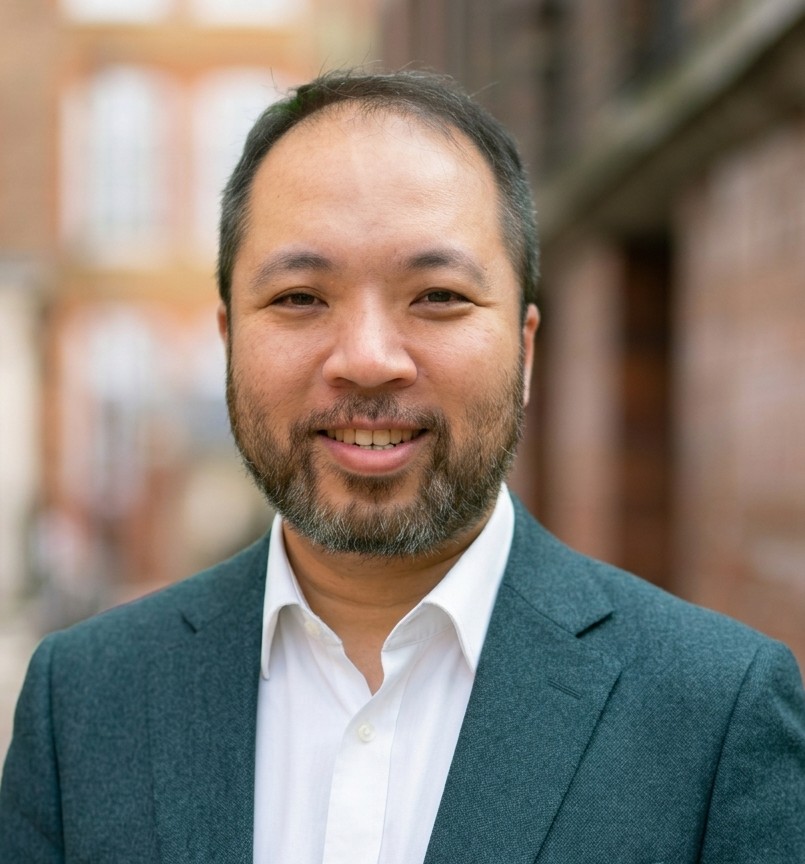
Henry Tse
Henry Tse
Founder and Director of Meriva Impact
Henry Tse is Founder and Director of Meriva Impact, an independent advisory practice helping organisations turn emerging technology and research into viable products, partnerships and real-world impact. He is an Adjunct Professor in the School of Electronics and Computer Science at the University of Southampton, and an independent reviewer for Responsible AI UK (RAi UK).
He spent over two decades in defence and national security, most recently as Global Head of Products and Services at BAE Systems Digital Intelligence, and earlier led national innovation programmes as a Director at the Connected Places Catapult. His work sits where advanced connectivity, autonomy and AI meet operational adoption, the route from research into deployment. He is a Chartered Engineer and Fellow of the IET.