Celebrating International Women in Engineering Day 2026
23 Jun, 2026
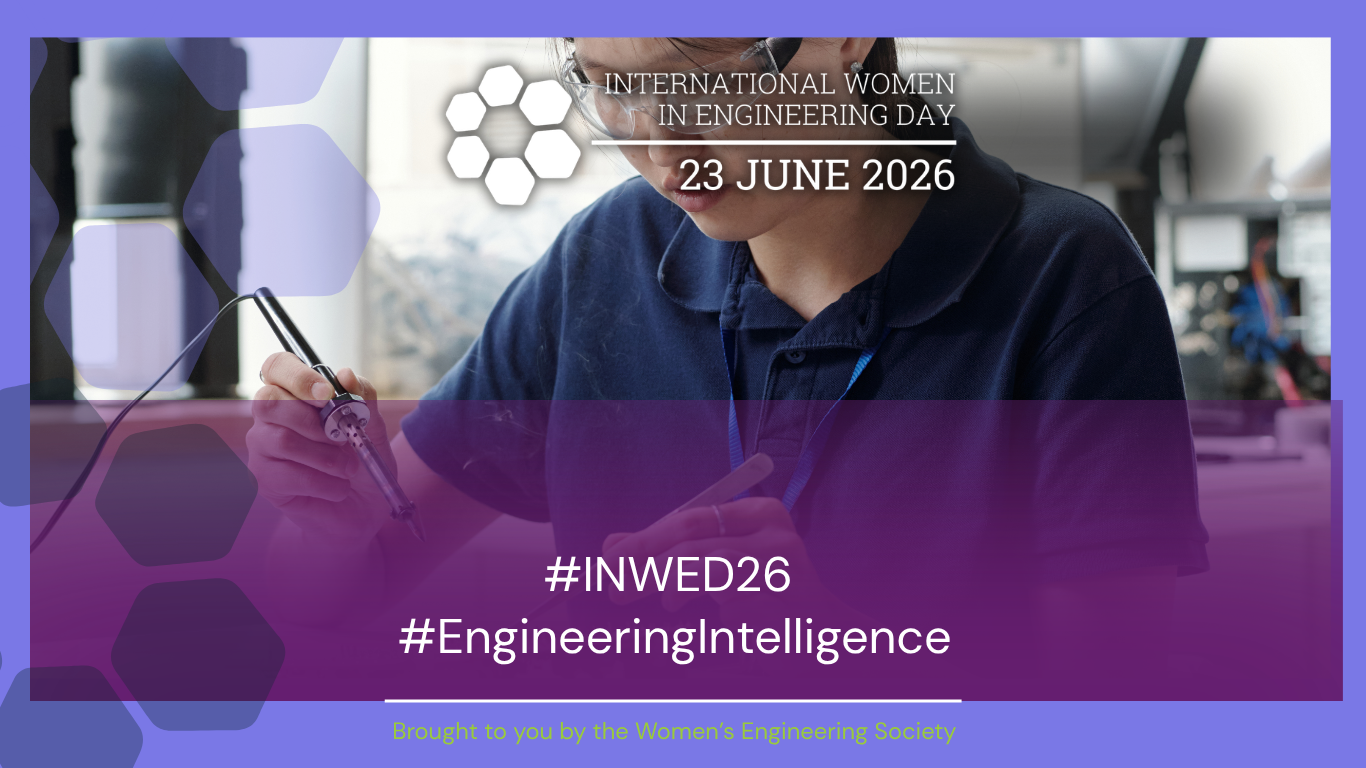
International Women in Engineering Day (INWED), celebrated annually on 23 June, recognises the achievements and contributions of women engineers worldwide. The 2026 theme, Engineering Intelligence, highlights the creativity, expertise and problem-solving skills engineers bring to tackling society’s challenges. INWED also provides an important opportunity to celebrate role models and inspire future generations to pursue careers in engineering.
To mark International Women in Engineering Day 2026, CHEDDAR invited women from across our community to share their advice for those considering a career in engineering, telecommunications and advanced connectivity. Their reflections highlight the importance of confidence, curiosity, resilience, mentorship and bringing diverse perspectives to the technologies that will shape our future.
Voices from Across the CHEDDAR Community
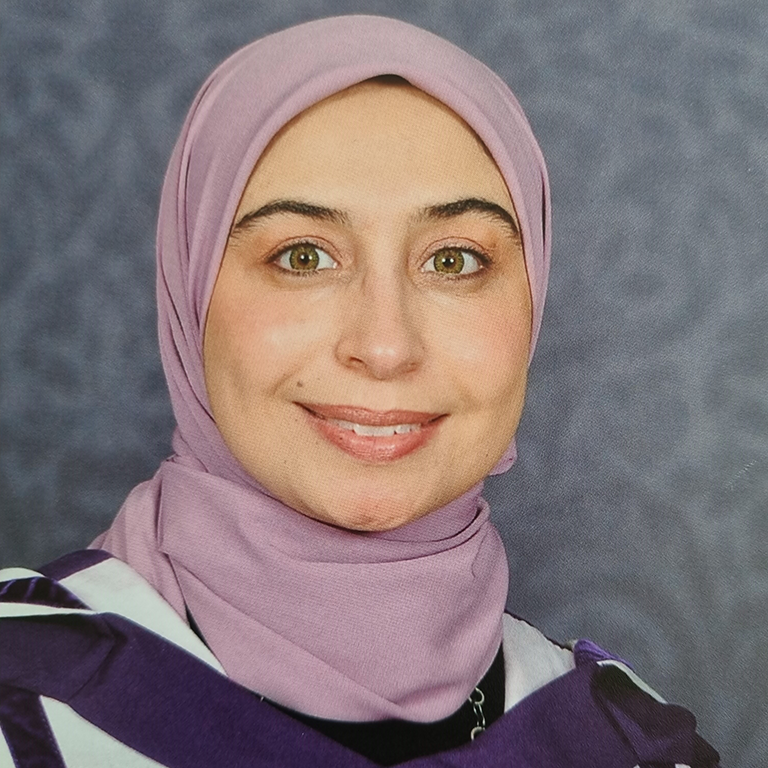 Dr Yathreb Bouazizi
Research Associate, Adaptive Emergent System Engineering (AESE), Imperial College London
Coming from Tunisia, where women represent one of the highest proportions of STEM graduates globally, Yathreb Bouazizi did not initially experience gender imbalance in engineering. It was only during her master’s studies at Georgia Tech that she became aware of the underrepresentation of women in technical disciplines.
Reflecting on her experiences across academia and industry, Yathreb highlights the importance of confidence, resilience and embracing opportunities. Having worked as a telecommunications engineer before returning to academia to pursue a PhD, she encourages women to be proud of their creativity, ingenuity and strength.
“Be confident, ambitious, and open to exploring opportunities; never think it is too late. Most of all, don’t be afraid to bring your perspective to the table. That perspective helps shape a better future in engineering.”
Today, Yathreb is a postdoctoral researcher in Imperial’s Adaptive Emergent System Engineering group and a member of the Department of Computing’s Equality, Diversity and Inclusion Committee.
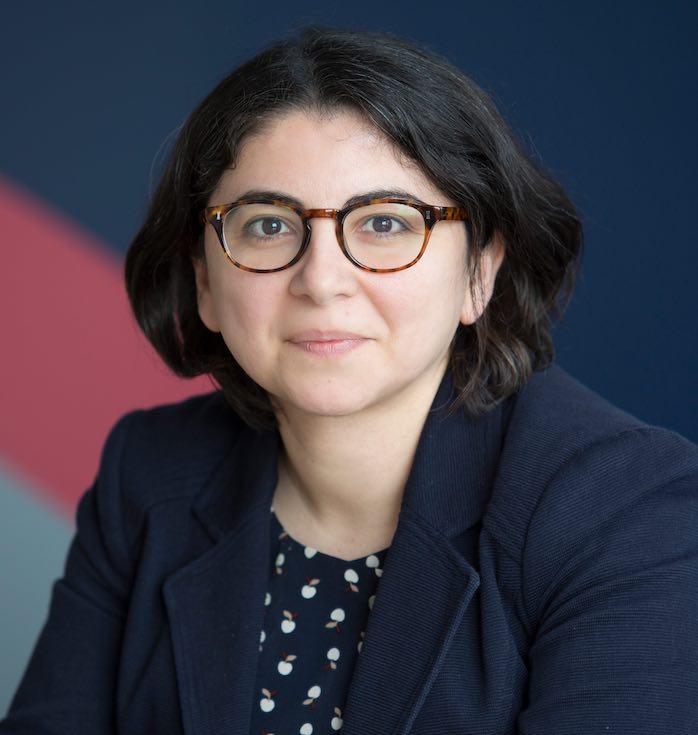 Dr Cigdem Sengul
Reader, Computer Science, Brunel University of London
For Cigdem Sengul, engineering is not about fitting a particular image or stereotype. Instead, it is about shaping the infrastructure that enables people to communicate, learn, work and participate in society.
Her career has spanned wireless networks, energy-efficient communications, IoT security and privacy, standardisation, artificial intelligence and equality initiatives, taking her from Istanbul to the United States, France, Germany and the United Kingdom.
Cigdem encourages aspiring engineers to build strong technical foundations while remaining focused on the wider societal impact of technology.
“The future of engineering needs people who can connect technical excellence with human values.”
She also highlights the importance of collaboration, mentorship and community, reminding future engineers that success does not need to be achieved in isolation.
 Dr Lubna Waqar Khan
Research Associate, Imperial College London
Lubna Khan emphasises the importance of lifelong learning and understanding the purpose behind the work we do.
As technologies continue to evolve at pace, she encourages women entering engineering and advanced connectivity to stay curious, embrace new tools and approaches, and continually develop their skills and knowledge.
“Do not be afraid to seek guidance and take opportunities when available. Over time, you will build both your knowledge and your confidence, and you may inspire others to follow the same path.”
Her advice reflects the importance of adaptability, continuous growth and supporting future generations of engineers.
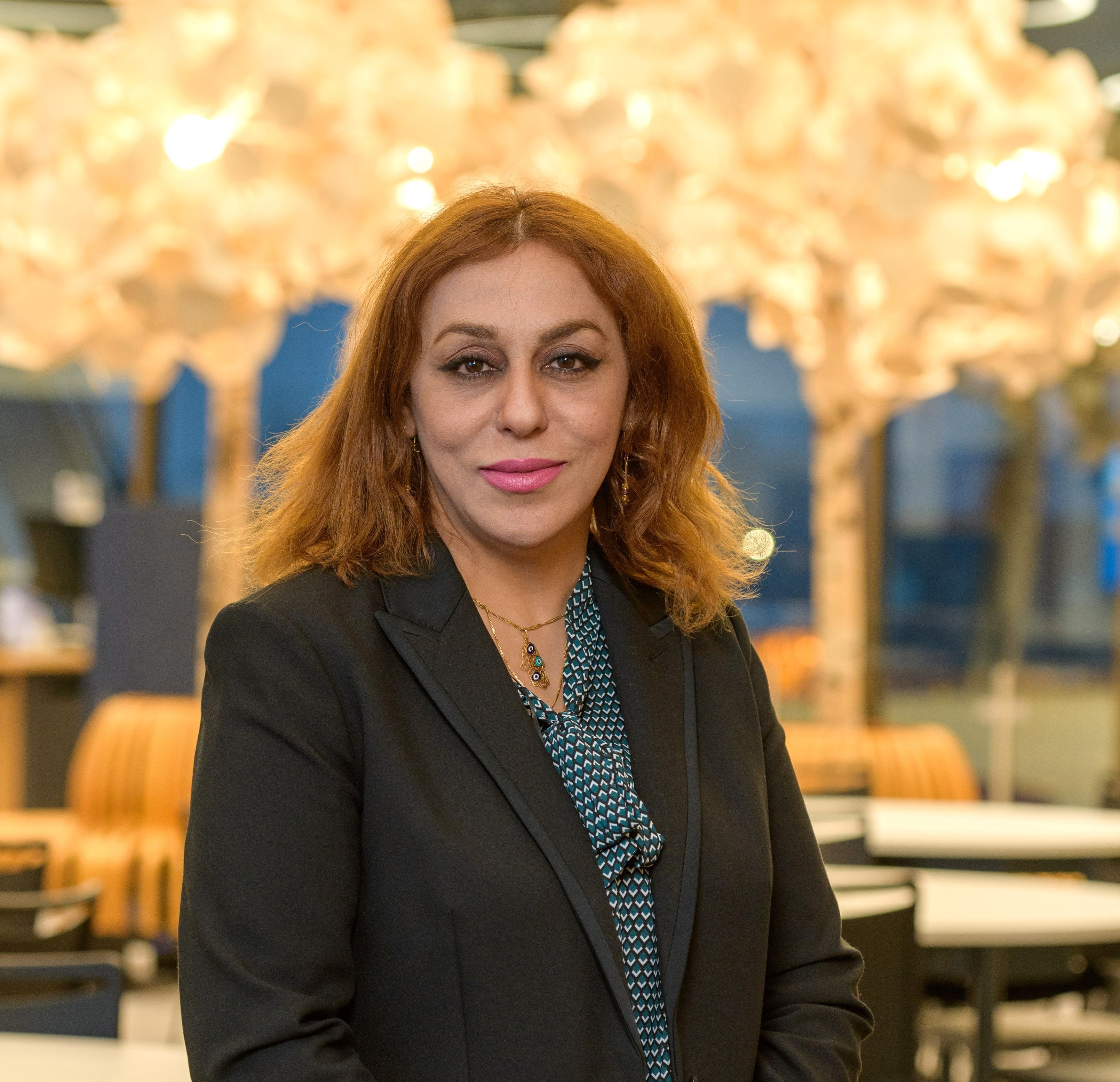
Professor Saba Al-Rubaye
Professor of Telecommunications Engineering, Cranfield University
Professor Saba Al-Rubaye highlights telecommunications engineering as one of the most exciting and rapidly evolving fields, driven by innovations in 5G and 6G, satellite communications and AI-enabled networking.
She encourages women considering careers in advanced connectivity to build strong foundations in engineering principles while developing practical experience through laboratories, internships, research projects and simulation tools.
“Women bring essential perspectives to the industry. Their contributions can directly influence how inclusive, efficient and intelligent future communication systems become.”
Saba also stresses the value of systems thinking, understanding how complex technologies interact to create end-to-end solutions that support future smart cities, aerospace systems, transportation networks and global digital inclusion.
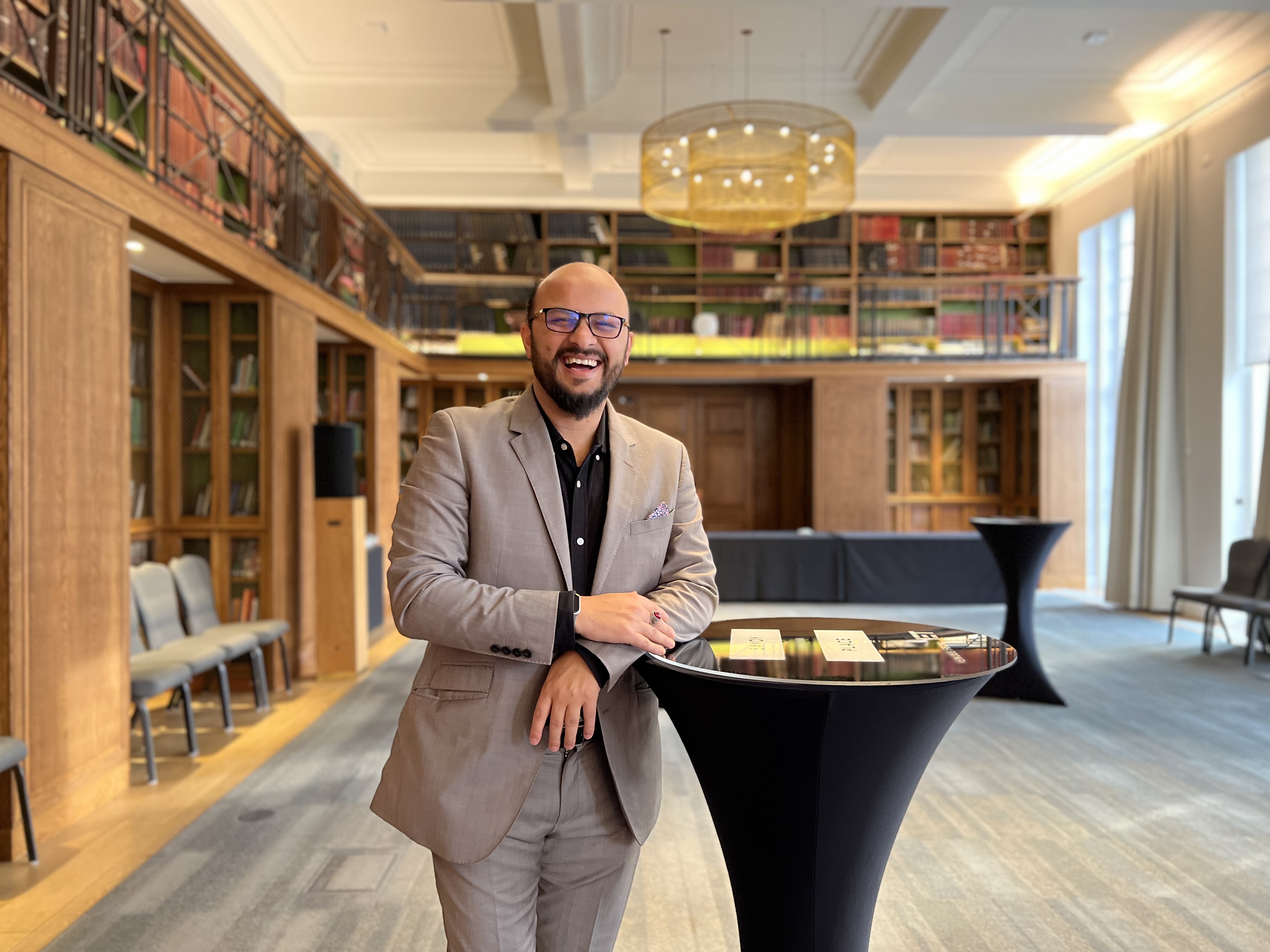 Professor Qammer H. Abbasi
Professor of Applied Electromagnetics and Sensing, University of Glasgow
Professor Qammer H. Abbasi believes that confidence, curiosity and a willingness to embrace challenges are key qualities for success in engineering and telecommunications.
Throughout his career, he has witnessed the transformative impact that women have made across research, innovation and leadership. As Co-Director of the Centre for Doctoral Training in Diversity Drives Innovation (DiveIn), he is passionate about creating environments where individuals from all backgrounds can thrive.
“The sector needs your talent, creativity and leadership now more than ever.”
He encourages aspiring engineers to seek mentors, build strong professional networks, support one another and recognise the value of their unique perspectives.
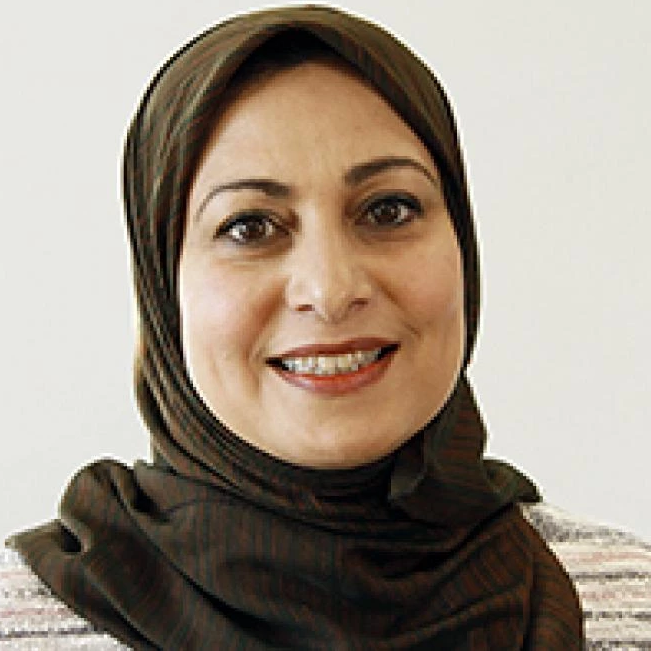 Nagham Saeed, Professor of Expert Systems, University of West London
Professor Nagham Saeed encourages women considering careers in engineering, telecommunications and advanced connectivity to have confidence in their abilities and pursue their ambitions without being limited by perceived barriers.
Reflecting on her own journey, she highlights the importance of perseverance, continuous learning and building strong professional networks. Through her research, leadership roles within IEEE and international collaborations, she has seen firsthand how diverse perspectives strengthen innovation and contribute to better outcomes.
“Engineering is not only about technology; it is about improving lives and shaping the future. Your voice, creativity and leadership are needed to help build a more connected, sustainable and inclusive world.”
Nagham also encourages aspiring engineers to stay curious, seek out mentors and embrace new opportunities. She believes that women bring valuable perspectives to engineering and that their ideas and contributions will play a vital role in creating more inclusive, innovative and impactful technologies for the future.
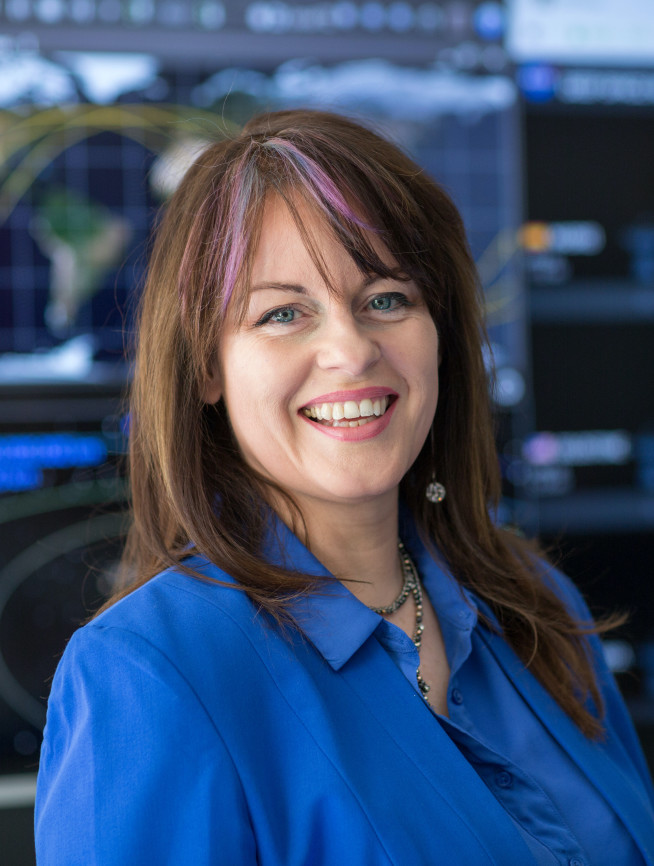 Professor Julie A. McCann
Director, CHEDDAR Hub and Professor of Computer Systems, Imperial College London
As Director of the CHEDDAR Hub, Professor Julie McCann has spent her career pushing the boundaries of engineering research while championing inclusive and collaborative environments.
Her advice to women considering careers in engineering is both simple and powerful:
“Be brave and know you are welcome – not an imposter.”
Julie’s message serves as an important reminder that engineering benefits from diverse perspectives and that women belong at every level of research, innovation and leadership.
Looking Ahead
The future of advanced connectivity will be shaped by the ideas, creativity and leadership of diverse teams working across academia, industry and government. The experiences shared by colleagues across the CHEDDAR community demonstrate that there is no single path into engineering, telecommunications or advanced connectivity.
Whether through research, innovation, industry leadership or education, women continue to play a vital role in developing the technologies that will define our connected future.
This International Women in Engineering Day, CHEDDAR celebrates the achievements of women across our community and thanks them for sharing their experiences, insights and advice with the next generation of engineers.