EcoNGN: bringing carbon awareness into future telecom networks
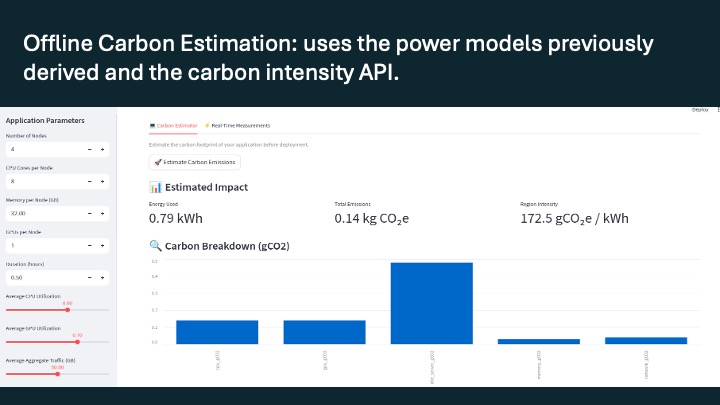
How can we make the digital infrastructure we increasingly depend on more sustainable? Reducing energy consumption is part of the challenge. Networks also need to understand the carbon emissions associated with running applications and services, and use that information to guide their decisions.
As part of CHEDDAR’s Research to Real-World Impact series, we explore EcoNGN: Embedding Carbon Awareness into Next Generation Telecom Networks. The research brings together carbon monitoring and optimisation to help researchers understand application emissions and explore ways to reduce them while accounting for service requirements.
Making carbon emissions visible
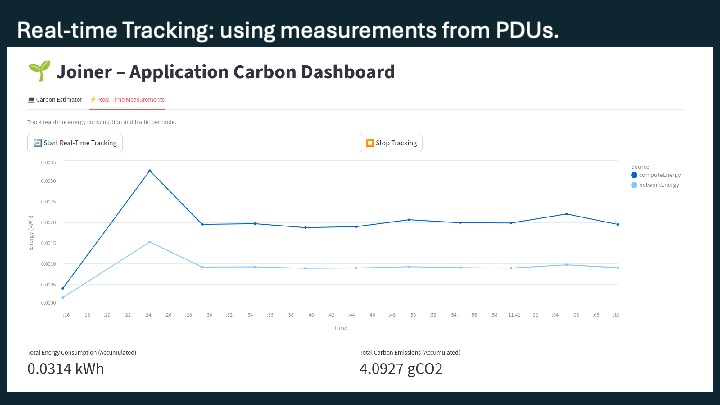
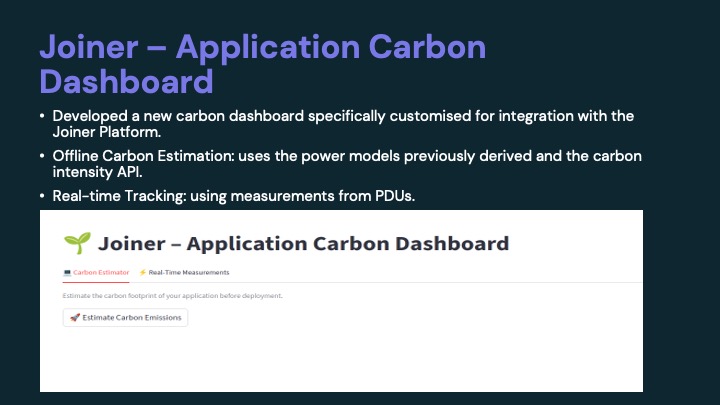
The EcoNGN team has developed a framework that provides real-time visibility of the carbon emissions associated with applications running across a network.
For researchers across the Future Telecoms Hubs community, this provides a way to assess the carbon impact of the applications they develop and test. It also helps them explore how different approaches to running those applications affect emissions.
That information can support decisions about where and when workloads and network functions should operate. These decisions involve trade-offs: opportunities to reduce carbon emissions must be considered alongside latency, mobility and the costs of moving workloads between locations.
Turning insight into network decisions
Monitoring emissions is the first step. EcoNGN also explores how networks can use that information to inform their operation.
Research results show that carbon awareness can be introduced with less than 2% deployment overhead, while reducing emissions and accounting for service requirements. This points to the potential for networks to consider carbon emissions alongside the performance that applications and users need.
Why this matters
As cloud, edge and telecommunications infrastructure grows, researchers and operators need a clearer understanding of the emissions associated with the services it supports.
Real-time carbon monitoring can provide evidence to compare different ways of managing applications and network resources. In practice, this could help operators and infrastructure providers identify opportunities to reduce emissions and assess progress towards sustainability goals. Making emissions visible also supports more transparent reporting, giving decision-makers a stronger basis for explaining and evaluating their choices.
From research to real-world impact
The next steps include wider real-world testing, industry collaboration and further integration with shared testbeds. These activities will help assess how the framework performs across different applications and operating conditions.
Engagement with policymakers and standards bodies will also explore how the research could contribute to practical guidance and more consistent carbon reporting across telecom networks. By linking emissions data with decisions about how networks operate, EcoNGN could help future digital infrastructure respond to both service demands and environmental goals.
Research contacts: Professor Noa Zilberman, Co-Principal Investigator, and Professor Nagham Saeed, Principal Investigator.