University of Glasgow Launches Research Centre to Advance Cognitive Cities
10 Feb, 2026
A new research centre at the University of Glasgow is laying the foundations for cognitive cities a next generation of urban environments designed to be healthier, safer, and more sustainable.
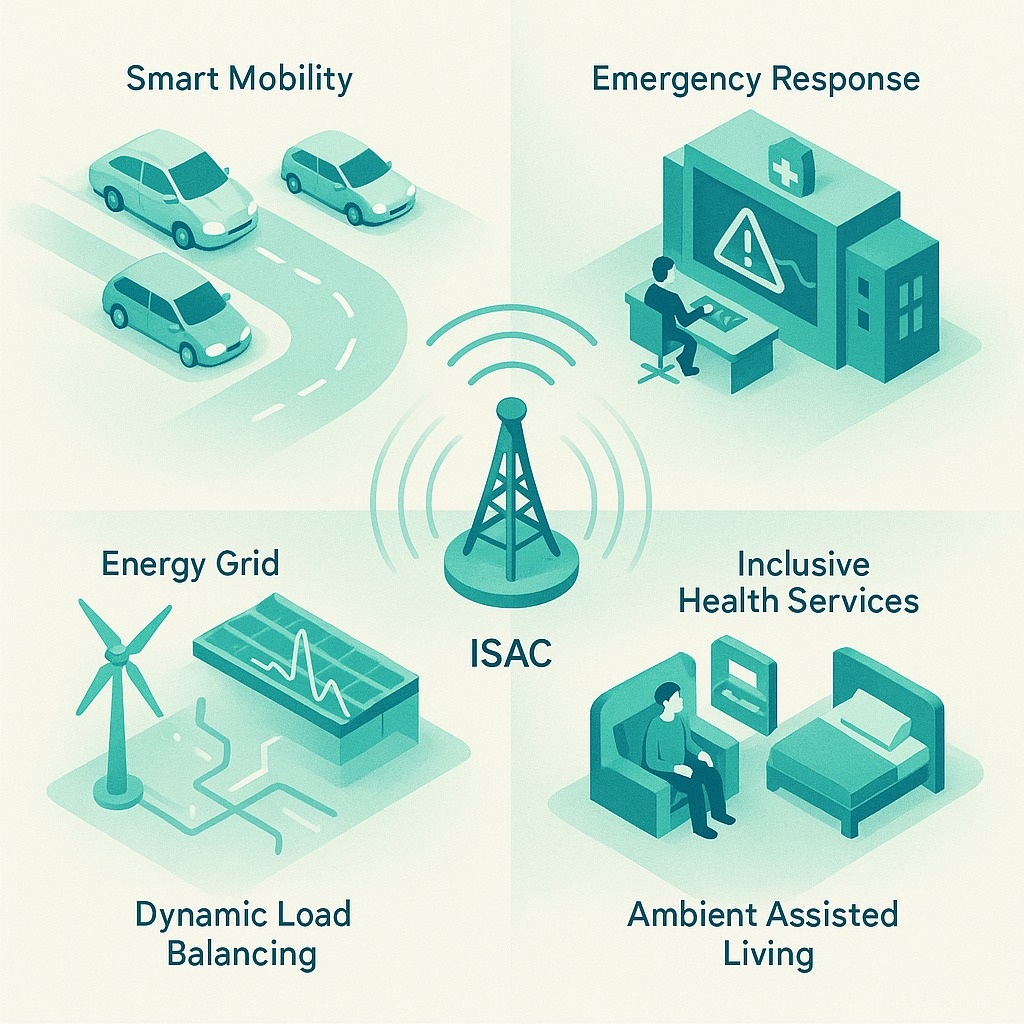
The Centre for Integrated Sensing and Communication Enabling Cognitive Cities (ISAC³) will explore how data generated by future 6G communication technologies can be combined with AI to transform how cities operate. By integrating advanced sensing, communications, and intelligent decision-making, the centre aims to move urban systems beyond today’s reactive “smart city” models.
Unlike current smart cities, which primarily report real-time conditions, cognitive cities will use AI to anticipate and prevent problems before they occur. Data collected from distributed sensors and next-generation mobile devices will enable city infrastructure to act predictively, improving traffic flow, air quality, and infrastructure resilience.
These systems will give urban environments a form of digital awareness, where sensing, communication, and action operate in parallel, much like a living organism responding to its surroundings. This capability will support city decision-makers in identifying risks such as congestion, pollution, or infrastructure failure at an early stage.
Cognitive cities may also play a role in public health, using data from personal devices to detect early signs of health issues and guide individuals toward timely medical support.
The centre brings together leading expertise from Professor Qammer H. Abbasi, Professor Nuran Acur, Professor Frances Mair, and Professor Muhammad Ali Imran, positioning Glasgow at the forefront of research into future urban technologies.